Exploring the Beauty of Circle-Inspired Rugs
Intro
Rugs have transcended their basic function as mere floor coverings; they've evolved into intricate pieces of art that can define and dictate a room's atmosphere. Among them, circle-inspired rugs hold a unique charm, drawing the eye and softening the edges of modern design. This comprehensive examination explores the layers and depth of these circular motifs, shining a light on their rich historical background and their present-day relevance in today's interior design landscape.
As we navigate through this discussion, we’ll strip back the layers to reveal how circular shapes can transform a space, both aesthetically and practically. With a variety of materials at play, a palette of colors to choose from, and ideas on how to implement them into your home, you’ll find inspiration in a plethora of designs and styles. Whether you're a seasoned homeowner, an up-and-coming designer, or a curious DIY enthusiast, circle-inspired rugs have something to offer you.
Current Furniture Trends
Understanding the current trends in furniture design enables us to appreciate how circle-inspired rugs fit into the larger picture of interior aesthetics. With the rise of minimalism and sustainability, attention to both function and form has never been greater. Circular rugs naturally complement these trends, often serving as a focal point that draws everything together.
Popular Styles and Materials
Focusing on innovative styles, many contemporary designs incorporate natural fibers such as jute, wool, and cotton. These materials not only provide a soft touch but also align with the growing movement toward eco-friendly options. Woven textures create visual interest and warmth, making circular rugs an inviting addition to any room. Also noteworthy are the multilayered round rugs that introduce patterns and colors, allowing for personalization in decor.
Some popular styles include:
- Bohemian: Known for its eclectic vibe, mixing colors and textures seamlessly.
- Modern: Features clean lines and minimal ornamentation, often in monochromatic palettes.
- Transitional: A blend of traditional and contemporary styles, adaptable to various tastes.
Key Color Palettes for Modern Spaces
When it comes to color, the options are abundant. Circular rugs can serve as a statement piece or a subtle complement to your decor. Current color trends often feature earthy tones, soft pastels, or bold, dramatic hues that can invigorate a space. Add to that the timelessness of neutrals, and you've got a recipe for versatility.
"The right color can redefine the mood of an entire room, providing a backdrop for life's moments."
For instance, pairing a rich navy blue circle rug with an off-white sofa can create a striking contrast while keeping the space cozy. On the other hand, muted terracotta hues evoke warmth and earthiness, ideal for spaces aiming for tranquility.
Practical Design Tips
Incorporating circle-inspired rugs into your home needs careful thought to maximize their impact. They can't merely exist in a space; they should enhance the existing design elements around them.
Space Optimization Techniques
Understanding the arrangement of furniture around circular rugs can truly elevate a room's design. They tend to work wonders in living rooms, dining areas, and even bedrooms, providing inclusive, welcoming atmospheres. Keep in mind the flow of the room:
- Layering: Use smaller circular rugs to define specific zones within an open floor plan.
- Placement: Position larger rugs under key furniture pieces to anchor a space, ensuring they’re centered and balanced.
DIY Projects for Custom Furnishings
For those inclined toward creativity, custom projects open a world of possibilities. Consider creating your own circle rug or painting a metaphorical one on a canvas to suit your color scheme. Using stencils could add intricate patterns that make your design unique. Just remember that DIY should not only reflect your personal style but also consider practicality and durability.
In summary, circle-inspired rugs are not just simple decor items; they are tools for elevating a space, exuding character while providing comfort. With conscious choices regarding design, material, and color, you can harness their potential and incorporate them into modern living.
Prolusion
Rugs have long served as more than just decorative pieces in our homes; they act as storytellers, weaving history, culture, and personal style into the very fabric of our daily lives. Among the myriad of designs available, circle-inspired rugs stand out due to their unique blend of aesthetic appeal and functional purpose. In this article, we delve into the fascinating world of circular rugs, uncovering not just their stunning visual qualities but also the significance they bring to contemporary interior design.
Why Do Circular Rugs Matter?
Understanding circle-themed rugs is vital for homeowners, designers, and anyone interested in transforming their living space. These rugs aren't merely embellishments, but they play an essential role in enhancing the perception of a room. The circular forms can produce an illusion of spaciousness, fostering a feeling of openness in tighter environments.
Moreover, the appeal of circles in decor isn't just skin deep. They resonate with cultural and historical contexts that span centuries. Other shapes might shout rigidity, but circles whisper harmony, suggesting connectedness and continuity in a space. In essence, circular rugs beckon those who wish to cultivate environments that are warm, inviting, and visually balanced.
A Subtle Influence
The impact of these rugs extends beyond their immediate visual contribution; their material composition, color choices, and pattern intricacies also play a pivotal role in setting the mood of a room. For instance, a woolen rug with rich earthy tones may evoke comfort and relaxation, while a synthetic variant in bright shades could inject energy into a lively space.
It is crucial that we pay attention to the myriad factors that influence our choices in this area: the materials used, the cultural connotations, and the emotional resonance tied to colors and shapes. By bringing these elements together, circle-inspired rugs can transcend mere decor, becoming focal points that ground our aesthetic choices.
In the sections that follow, we will examine all these facets in detail, exploring how circular motifs have evolved, the materials that give these rugs life, and their integration into various spaces in the home. Through this examination, readers will garner insights into how to select the right circular rug that not only complements their design ethos but also elevates their living experience.
The Historical Context of Circular Patterns in Decor
The importance of understanding the historical context of circular patterns in decor cannot be overstated. Circular motifs have adorned human spaces for centuries, linking design principles with cultural expressions in a way that transcends time. These patterns not only serve an aesthetic function but also narrate stories. With a rich tapestry of meanings and contexts, circle-inspired rugs provide valuable insights into the evolution of home design. An exploration of their history elicits appreciation for their artistic value, functionality, and their ability to evoke various emotional responses in a space.
The Origins of Circular Motifs
The lineage of circular motifs traces back to ancient civilizations. One might say these patterns acted as early forms of communication, often symbolic in nature, as they were used to represent continuity, unity, and harmony. In many cultures, circles were seen as representations of the cosmos, the earth, or eternity. For instance, ancient Greeks embraced circular designs in architecture, while Native American tribes integrated them into their textile arts.
- Ancient Egypt: Circles often appeared in decorative arts, signifying completeness or the infinite cycle of life and death.
- Mesopotamia: Circular seals were commonplace, used as a means of marking ownership and authority, while their geometric patterns illustrated skill and artistry.
- Asia: Cultures across Asia, such as the Japanese, frequently included circular designs in everything from pottery to kimono patterns, viewing them as symbols of good fortune and balance.
Understanding these origins unveils a narrative revealing how humans have utilized circular motifs not just for decoration but as a means of connecting with deeper philosophical, spiritual, and cultural elements.
Cultural Significance Across Time
The significance of circular patterns transcends mere decoration—they function as cultural artifacts embedded with meanings shaped by historical events and societal norms. As time passed by, these designs evolved, reflecting the aesthetics of different eras while maintaining their core symbolic nature.
In Medieval Europe, circles started appearing in church architecture, signifying the connection between heaven and earth. Similarly, during the Renaissance, circles took on renewed significance with their incorporation into art, emphasizing humanism through balance and harmony.
Today, circle-inspired rugs stand at the intersection of past and present, and their circular shapes often resonate with the principles of Feng Shui, where balance in the home is paramount. Homeowners and designers today decide on circular rugs not just for their beauty but for the positive energy they are believed to attract.
"Design is not just what it looks like and feels like. Design is how it works." – Steve Jobs
In terms of architectural principles, circular motifs influence interiors to feel larger and more inviting—a spatial benefit recognized in more modern settings. With increasing awareness of culturally significant design, many contemporary designers and homeowners opt for circular patterns to bridge the gap between personal taste and deeper cultural resonance, creating spaces that are both beautiful and meaningful.
The Aesthetic Appeal of Circular Rugs
Circular rugs are more than mere decorative accents; they are pivotal elements in the symphony of interior design. Their round shapes introduce a refreshing departure from conventional linear forms, offering unique harmony to living spaces. The aesthetic appeal of these rugs lies not just in their geometry but also in the emotions and sensations they evoke in a room.
One might wonder about the specific significance of circular rugs in contemporary decor. To begin with, they serve as focal points, drawing the eye to designated spaces within a room. Whether utilized in a cozy nook or as a centerpiece in a larger area, round rugs can neatly tie together various design elements, creating a visually pleasing balance. This interplay between form and function illustrates why circular rugs warrant consideration in any thoughtful interior design endeavor.
Visual Fluidity and Movement
When one thinks about shapes in design, circles represent fluidity. Circular rugs embody this principle by lending a sense of movement to a space. The absence of sharp angles and corners creates a soft transition in the environment. This can be particularly beneficial in areas where relaxation is key, such as living rooms or bedrooms. Think about how a circular rug can subtly influence the flow of foot traffic, guiding movement around it rather than forcing a simple linear path. Such visual fluidity promotes a calming effect, enhancing the overall ambience.
In practical terms, a circular rug can effectively delineate areas within a larger room. For instance, in an open-concept space, a round rug can define a seating area, making it feel cohesive while still maintaining an overall spaciousness. This design tactic is admired in homes that minimize clutter and embrace airy vibes.
"A circular rug can redefine not just a room, but the very experience of the space itself, allowing for a graceful blend of form and livability."
Harmonizing Designs with Circular Geometry
The geometry of circular rugs offers versatility in design harmonization. Being inherently symmetrical, these rugs can effortlessly integrate with various interior styles, from minimalist to bohemian. Their shapes also soften the harsh edges often found in angular furniture, creating a more inviting atmosphere.
In terms of color and pattern, circular rugs allow for creativity without the constraints of linear designs. A playful mix of colors can seamlessly flow across the curves, inviting eclectic decor. Alternatively, a subdued color palette can elevate a sophisticated aesthetic, allowing circular rugs to function as subtle yet striking pieces of art.
Moreover, the way these rugs interact with other elements in a room is worthy of note. The circular form can enhance the design of circular furniture or accents like ottomans and coffee tables, enhancing cohesion. The key is to think about textures and materials that complement the round shape. A plush wool rug might amalgamate beautifully with sleek, modern furniture, while a jute circle rug can deepen a rustic setting.
Material Considerations for Circle Rugs
Choosing a rug isn't just about aesthetics; it also involves a keen understanding of materials. Circle rugs, with their unique shapes and patterns, require thoughtful material selection to achieve both functionality and style. The choice of material significantly impacts the durability, comfort, and maintenance of the rug. Knowing what goes into the fabric can elevate the look of any room, while also catering to practical needs like cleaning and longevity. In this section, we will explore the variety of materials available and their respective benefits, shedding light on how they affect the overall experience of circular rugs.
Natural Fibers: Wool and Jute
Natural fibers like wool and jute have been favored for rugs for centuries. Wool, known for its softness and resilience, brings comfort underfoot. It has excellent insulation properties, making it warm in the winter and cool in the summer. Additionally, wool is stain-resistant and self-extinguishing, which makes it a safe choice for homes with children or pets.
- Softness: Wool offers a plush texture that feels good while walking.
- Durability: It can withstand heavy foot traffic without losing its shape.
- Eco-Friendly: Being a renewable resource, wool is a sustainable choice for eco-conscious consumers.
On the other hand, jute is celebrated for its rustic charm. It's biodegradable and often less expensive than wool, making it an attractive option for those on a budget. Jute's coarse texture makes it an excellent addition to bohemian or farmhouse decor. However, it’s essential to remember:
- Texture: While jute can feel rougher than wool, it often brings an alluring natural vibe to the space.
- Moisture Sensitivity: Jute is less resistant to moisture, making it ill-suited for damp areas.
Considering these factors, choosing between wool and jute often boils down to personal preferences and the specific requirements of each living space.
Synthetic Options: Durability and Style
Synthetic fibers have carved out a significant niche in the rug industry, especially for those seeking durability and easy maintenance. Materials such as polyester and nylon are becoming increasingly popular due to their resilience against stains, fading, and wear. These fabrics can mimic natural fibers in appearance while providing additional functional benefits:
- Easy to Clean: Synthetic fibers often allow for easy machine washing or spot cleaning, making them a practical choice for busy households.
- Color Retention: Fade-resistant qualities mean that colors remain vibrant even in sunny rooms.
- Affordability: Typically, synthetic rugs can be more budget-friendly than their natural counterparts.
However, there are trade-offs. Synthetic materials may not offer the same warmth or luxury as wool or jute, which can be a deciding factor for some buyers. Thus, those deciding on synthetic options should keenly consider the atmosphere they wish to create in their home.
Comparative Advantages of Materials
Ultimately, the decision concerning rug materials boils down to specific needs and personal style. Here’s a succinct rundown of the comparative advantages:
- Wool: Best for luxury and warmth, ideal for high-traffic areas.
- Jute: Great for rustic aesthetics and budget-friendly options, works well in dry areas like living rooms or bedrooms.
- Polyester: Perfect for vibrant colors and easy care, suitable for homes with kids or pets.
- Nylon: Offers excellent durability and comes in diverse styles, an excellent choice for both modern and traditional setups.
"The choice of material can transform not just the look, but also the purpose of a circle rug in your space."
These distinctions set the stage for informed selections as homeowners, designers, and retailers navigate the complexities of circle rugs. Being aware of these materials allows individuals to tailor their choices according to both aesthetic desires and practical requirements.
Circle Rugs and Interior Space
Circle rugs hold a distinctive position in the realm of interior design, serving both aesthetic and functional roles in various living environments. Their shape, which deviates from conventional rectangular or square options, brings a fresh perspective to spatial arrangements. When thoughtfully incorporated, these rugs can not only enhance the overall appeal of a room but also significantly influence how we perceive and navigate the space within.
Enhancing Spatial Perception
To begin with, circle rugs possess an innate ability to manipulate spatial perception. By breaking the typical linear constraints that rectangular rugs impose, they can create a feeling of openness and fluidity in a room. This is particularly beneficial in smaller spaces where keeping things light and airy is crucial. When placed strategically, a circular rug can draw the eye upward, encouraging visual exploration rather than confinement.
Using circle rugs to define areas within a larger space is another effective strategy. For instance, in open-concept living areas, a well-placed circular rug can delineate the conversation area, distinguishing it from the dining zone. This segmentation not only clarifies space but also enhances the function of each area, making it easier for guests and family alike to engage in different activities without feeling overcrowded.
Furthermore, the soft curves of a circular rug contrast sharply with the rigid lines of furniture and architectural elements, creating a harmonious tension that encourages movement. The visual variation can evoke a sense of relaxation, bringing a sense of ease to a setting.
Creating Focal Points in Design
Circular rugs also excel at creating focal points within a room. In design, a focal point serves as an anchor or a centerpiece around which other elements revolve. A vibrant, patterned circular rug can serve this purpose perfectly, capturing attention immediately and setting the tone for the entire decor.
When selecting a circle rug for a focal point, consider its size in relation to the surrounding elements. An oversized circular rug can draw the eye and impart a bold statement, especially when contrasted with more subdued surroundings. Alternatively, a smaller rug can function as an accent piece, enhancing existing decor without overwhelming it.
Moreover, circular rugs encourage a more intimate atmosphere. In a dining area, arranging a round table on a coordinated circle rug not only emphasizes the table’s shape but also fosters conversation. It feels more inviting, beckoning family and friends to gather, share meals, and enjoy each other’s company.
In summary, circle rugs are not just decorative pieces but essential tools in the interior designer’s toolkit. From improving the perception of space and movement to creating vital focal points, they play a significant role in shaping the ambiance of our everyday environments.
Color Psychology and Circular Designs
Understanding the psychology of color is crucial in the realm of interior design, particularly when it comes to circular rugs. Colors wield significant power over mood and perception, influencing the emotions and behaviors of those who inhabit a space. Circular rugs, with their unique shapes, can be enhanced or transformed through thoughtful color choices. This section explores how color can impact mood setting and presents stylish combinations that resonate well with the circular design.
The Role of Color in Mood Setting
Colors can evoke a plethora of feelings. A cozy beige can create warmth, while a bold red can excite energy. When it comes to circular rugs, the colors chosen become more than mere decoration; they set the tone of a room.
- Warm Colors: Shades like red, orange, and yellow are known to spark enthusiasm and optimism. Placing a vibrant red circular rug in a living room could energize the atmosphere, making it an inviting space for gatherings.
- Cool Colors: Blues and greens tend to promote calmness and relaxation. A soft blue circular rug in a bedroom can encourage tranquility, making it easier to wind down after a long day.
- Neutral Shades: Earthy tones, like taupe and soft grey, serve as a versatile backdrop. They can balance out more vivid elements in a decor scheme without overwhelming the senses. Plus, these colors tend to fit seamlessly into various design styles—be it modern or bohemian.
"Color is the keyboard, the eyes are the harmonies, the soul is the piano with many strings."
—Wassily Kandinsky
The interaction between color and rug shape is not merely an aesthetic consideration; it taps into deep psychological undercurrents that can enhance our daily experiences.
Trendy Color Combinations for Circles
When coupling colors within circular rugs, the focus shifts towards creating striking contrasts or harmonious blends. The following combinations can elevate the overall design while resonating with the intended ambiance:
- Teal and Mustard: This pairing excels in modern spaces, offering a fresh yet grounded appeal. The richness of teal juxtaposed with the warmth of mustard creates a dynamic focal point that draws the eye without being overly dramatic.
- Blush Pink and Forest Green: In settings that crave a touch of nature and softness, these colors harmonize well together. The gentle blush brings warmth while the deep green invites feelings of calm and serenity.
- Charcoal and Soft Yellow: A classic combination that balances sophistication with cheerfulness. Charcoal provides grounding, while soft yellow introduces lightness, making it perfect for transitional spaces like hallways or open-concept areas.
- Rust and Olive Green: This earthy duo works well in interiors leaning towards bohemian or rustic themes. The warm rust evokes a sense of coziness, while the olive green hints at natural vitality.
Selecting the right colors not only enhances the circular rug itself but also plays a pivotal role in how the space is perceived and felt. Careful consideration in color choice can pave the way for an extraordinary transformation of your living environment, allowing circular rugs to serve as striking focal points, rather than mere addendums to the decor.
Popular Styles of Circular Rugs
Circular rugs come in various styles, each serving a unique purpose and aesthetic. The different styles of these rugs are significant in the world of interior design, offering versatility and flair to any space. Homeowners, designers, and architects often seek these rugs to enhance the character of their interiors and to create a specific mood or atmosphere. This section will address the elements that make these styles beneficial, their considerations, and how they can elevate the overall look of a room.
Geometric Designs and Patterns
Geometric designs in circular rugs are a true marvel when it comes to modern and contemporary settings. They often feature bold lines, vibrant colors, and symmetrical shapes that invoke a sense of order and structure. Such designs not only attract the eye but also create a dynamic contrast against softer, more traditional decor elements.
- Distinction and Modernity: These patterns serve to redefine spaces, offering a bold statement that resonates with modern artistry. They can align well with furniture having clean lines, enhancing the overall layout of the room.
- Spatial Illusions: Some geometric patterns create an optical illusion, which can make a room feel larger or play tricks on the perception of depth. A circular rug with a spiral design, for example, can draw the viewer’s eye inward, adding to the room’s dimensions.
- Customization and Personal Expression: With so many options available, including chevrons, hexagons, or even intricate mandalas, homeowners can express their personal style through their rug choice. This element of customization becomes increasingly significant in making a space feel unique.
Natural Inspirations: Floral and Organic Shapes
On the other end of the design spectrum, circular rugs inspired by nature bring an entirely different energy to a space. These rugs often feature fluid shapes, such as floral patterns or organic motifs, capturing the beauty of the natural world and introducing it into interiors.
- Warmth and Comfort: Natural-themed rugs tend to provide a feeling of coziness. They connect us with nature, creating a sense of tranquility within the home—ideal for spaces meant for relaxation, like bedrooms or reading nooks.
- Versatility in Themes: These circular rugs can adapt to various design aesthetics. Whether a home follows an eclectic mix of styles or leans towards bohemian or rustic design, floral rugs fit seamlessly within the broader theme.
- Color and Texture: They often utilize rich color palettes and textures that represent the vibrancy of nature. A circular rug with a leafy design might incorporate greens and browns, which can harmonize beautifully with wooden elements in a space.
"Choosing the right rug can be the decisive factor in transforming a room from plain to extraordinary."
Practicality of Circular Rugs
The significance of circular rugs in both functionality and design cannot be overstated. As interior elements, these rugs go beyond mere aesthetic appeal. They serve practical purposes that enhance a living space while offering unique challenges that demand thoughtful consideration. Embracing circular rugs in your home or office involves understanding their implications for maintenance, durability, and their overall contribution to your surroundings.
Maintenance and Cleaning Tips
Caring for circular rugs requires a blend of diligence and strategy. Unlike square or rectangular counterparts, the rounded nature of circular rugs can make them trickier to maintain. Here are some practical cleaning tips that keep these beautiful accessories in tip-top shape:
- Regular Vacuuming: Just like the heart of a home, a clean rug can uplift the whole room. Regularly vacuuming your circular rugs prevents dirt and debris from embedding in the fibers. Additionally, make sure to use the upholstery attachment when cleaning to eliminate dust without damaging delicate fibers.
- Spot Cleaning: Accidents happen, especially in lively households. When a spill occurs, act quickly. Blot the affected area using a soft cloth and a gentle detergent solution. Avoid scrubbing, as this could push the stain deeper. Instead, dab the area with care, and rinse with clean water to remove soap residue.
- Professional Cleaning: Depending on the material, certain rugs may benefit from professional cleaning every once in a while. For example, wool rugs can attract some uninvited guests like moths if not handled correctly. Regular professional check-ups can ensure longevity and maintain the appearance of your circular rug.
Durability and Longevity Considerations
When investing in circular rugs, considering their durability is vital, especially if they’re placed in high-traffic areas. The lifespan of your rug can significantly vary based on the materials and care. Here’s what to assess:
- Material Matters: The type of material you choose plays a critical role in the longevity of your circular rug. Wool rugs tend to be more resilient, repelling dirt and maintaining their appearance over time. On the other hand, jute rugs provide durability and eco-friendliness but might require extra care in moist environments.
- Thickness and Construction: A thick, well-constructed rug usually outlasts thinner ones. Rugs with heavy-duty backing also tend to withstand wear better than those made with lightweight materials. Invest in rugs crafted with skilled craftsmanship, as they tend to promise durability against the elements of everyday life.
- Placement Strategically: The placement of your rug impacts its lifespan. Avoid direct sunlight for prolonged periods, as UV rays can fade colors and weaken fibers. Moreover, high-traffic areas may experience more wear, so consider using rugs with patterns that can camouflage slight imperfections.
Remember: Even the finest circular rugs require a little bit of love and attention to maintain their allure and functionality.
Incorporating circular rugs into modern decor not only elevates the aesthetic appeal but also presents practical benefits that enhance comfort and style. Understanding how to properly maintain and choose durable options can lead to enjoying their beauty for many years to come.
Incorporating Circular Rugs into Various Spaces
Integrating circular rugs into different rooms is not merely a matter of aesthetics; it’s about enhancing the functionality and cohesion of an interior design. Circular rugs provide a unique way to break the monotony of angular furnishings often found in homes. These rugs can serve multiple purposes, from creating a warmer atmosphere to assisting in the delineation of space. Their curvilinear form helps to soften the hard lines typically found in other furniture, offering a visual balance that is often overlooked.
Living Rooms: Centerpieces and Accents
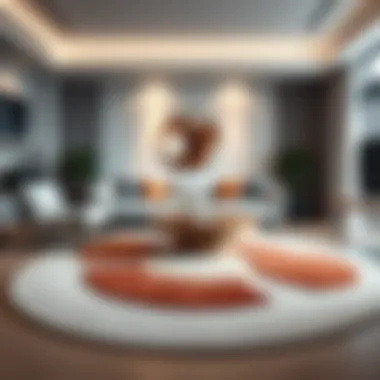
In the living room, circular rugs can act as a focal point that draws the eye and anchors the space. Placing a stunning circular rug beneath a coffee table can create a cozy, inviting area for gatherings. The circular shape can also facilitate movement, allowing guests to flow around without getting caught in the corners.
Consider textures and colors when selecting a rug. A plush, high-pile rug in warm hues can instill a sense of comfort, making the living room a haven for relaxation. On the other hand, a vibrant geometric-patterned rug can inject energy and personality into the room while providing contrast against simpler furniture.
"A circular rug in a living space isn't just a decor item; it's a statement that changes the entire dynamic of the room."
Bedrooms: Comfort and Style
When it comes to the bedroom, circular rugs bring in an element of softness and serenity. Placing a circular rug beside the bed can create a cozy spot for your feet to land first thing in the morning, instantly elevating the comfort factor. A rug covering part of the floor can delineate the sleeping area from the rest of the room, adding dimension and plushness that enhances relaxation.
Moreover, color choice plays a pivotal role. Calming hues like soft pastels or earthy tones can create a tranquil sanctuary, while brighter patterns might offer a playful twist. The circular shape can also complement a round mirror or circular art, creating an orchestrated flow of design within the room.
Dining Areas: Practicality Meets Design
In dining areas, circular rugs provide an ideal solution for dining sets, combining style and functionality. A well-placed circular rug under a round table not only defines the dining space but also protects the flooring from scratches and spills. This is particularly useful in homes where elegance and pragmatism are equally valued.
The choice of material is crucial in this setting. Durable fibers that are easy to clean will be beneficial in handling potential food and drink accidents. Additionally, the rug can unify the dining area with the rest of the living space, contributing to an overall theme—whether that’s modern chic or classic warmth.
Sustainability in the Rug Industry
In today's fast-paced world, awareness of sustainability has taken center stage across various industries, including home decor. Circular rugs, with their unique designs, are no exception. This section aims to highlight the significance of sustainability in the rug industry, focusing on eco-friendly materials and ethical production processes. By adopting sustainable practices, a positive impact can be made on the environment while fostering social responsibility.
Eco-Friendly Materials in Circular Rugs
The choice of materials plays a crucial role in determining the sustainability of circular rugs. Gone are the days when synthetic fibers dominated the market. Nowadays, homeowners and designers alike are increasingly opting for eco-friendly materials like wool, cotton, jute, and even recycled fibers. These materials not only contribute to a healthier planet but also deliver aesthetic appeal and durability.
- Wool and Cotton: Both wool and cotton are renewable fibers. Sheep and cotton plants can provide a continuous supply, making these options sustainable. Additionally, these materials are biodegradable, breaking down naturally over time.
- Jute: This natural fiber is a heavyweight when it comes to sustainability. Jute requires less water and no pesticides to grow, resulting in a lower environmental footprint. It is indeed a fantastic choice for circular rugs, bringing a rustic charm along with it.
- Recycled Fibers: Circular rugs made from recycled materials are the champions of sustainability. Not only do they help reduce waste, but they also avoid the use of virgin materials, thus minimizing resource depletion.
By choosing rugs crafted from these sustainable materials, consumers can enhance their spaces while committing to eco-friendly practices that resonate with environmental ethics.
The Importance of Ethical Production
As significant as the materials themselves are, the method of production shouldn’t be overlooked. Ethical production not only concerns the environment but also the artisans and workers behind the craftsmanship of circular rugs. Here are a few key points regarding the importance of ethical production in the rug industry:
- Fair Labor Practices: Ensuring that workers are paid fair wages and work in safe conditions is paramount. Brands that commit to ethical production often have certifications to verify such practices.
- Local Sourcing: When rugs are produced locally or regionally, it reduces the carbon footprint associated with shipping. Supporting local artisans boosts economies and promotes traditional craftsmanship.
- Transparency: Consumers are increasingly demanding to know where their products come from and how they’re made. Brands that practice transparency build trust and credibility with their customers.
"Choosing an ethically produced rug doesn't just beautify your space; it embodies a commitment to fairness and sustainability."
The End
In summary, exploring the world of circular rugs reveals their substantial impact on interior design and the overall ambience of a space. Understanding the significance of this type of decor extends beyond mere aesthetics; it incorporates historical context, material considerations, and the psychological effects of color.
Importance of Circular Rugs
Circular rugs serve as powerful tools in shaping environments. They not only provide warmth and comfort but also possess the unique ability to create visual focal points. Consider how a well-placed round rug can draw the eye, instantly marking a specific area in an otherwise fragmented room. Their curvilinear shapes break up the angular nature of most furniture and accents, introducing a sense of fluidity, which can noticeably enhance the perception of space.
"Rugs don't just cover floors; they create the foundation for the room’s aesthetic and functional dynamics."
Key Benefits
- Aesthetic Enhancement:
- Practical Considerations:
- Cultural Resonance:
- Circular rugs inject personality into any room, facilitating a harmonious blend of design elements.
- Through engaging patterns and colors, they can evoke feelings that range from tranquility to energy, depending on the choices made.
- Their rounded edges reduce tripping hazards, making them suitable for family-friendly areas.
- Different materials offer diverse options for durability, maintenance, and resistance to wear.
- As mentioned throughout this article, circular motifs often carry historical and cultural significance. This connection can deepen one’s appreciation of the decor beyond its visual appeal, making it a conversation starter.
Final Thoughts
In the world of interior design, choices are not merely about style; they reflect personal values, history, and emotion. Incorporating circular rugs into spaces opens up myriad possibilities for expression and connectivity. Whether through a vibrant tapestry or a subdued natural-fiber option, the right circular rug can transform a simple room into a sanctuary that marries beauty with functionality.
For those looking to enhance their living spaces thoughtfully, circle-inspired rugs prove to be invaluable assets that bridge the gap between ancient tradition and modern style.
To sum up, the exploration of circular rugs is not just an aesthetic endeavor but also a journey into the harmonious blend of art, history, and practical living. They act as a reminder that decor holds power—not just the power to beautify, but to bring people together in spaces they inhabit.