Choosing Curtain Rods with Wood Ends for Your Home
Intro
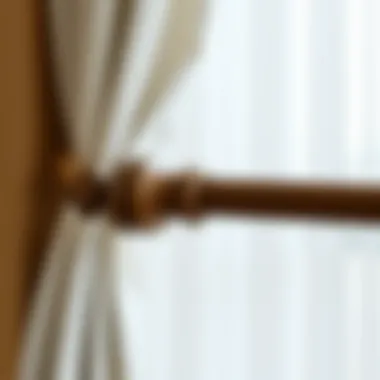
When it comes to dressing up our windows, the choice of curtain rods often goes unnoticed, yet it serves a dual purpose — functionality and aesthetic appeal. Curtain rods with wood ends are becoming a beloved choice among homeowners and designers alike, adding warmth and character to any interior space. This guide will peel back the layers on the art of selecting and installing these unique curtain rods. We’ll discuss the various wood types, styles, and how they can seamlessly integrate into different decor styles. Armed with knowledge, you'll be well-equipped to enhance your living space, making informed choices that reflect your unique taste.
Current Furniture Trends
In the ever-evolving landscape of interior design, the trends shift like the seasons. Currently, many people lean toward natural materials and earthy tones within their home, and curtain rods with wood ends fit that bill perfectly. These rods not only support curtains but also contribute to the overall aesthetic, enhancing the charm of the room.
Popular Styles and Materials
Curtain rods with wood ends now come in varied styles, each aligned with specific decorating themes. You might consider:
- Rustic: Often made from reclaimed or distressed wood, these rods appeal to a vintage or farmhouse aesthetic.
- Modern: Sleek wooden designs featuring clean lines can add a hint of sophistication to contemporary spaces.
- Traditional: Ornate wooden finials can exude elegance, perfect for classic interiors.
Different wood types bring different qualities. For instance, oak is sturdy and timeless, while pine is lighter and can be more budget-friendly. Moreover, bamboo is an eco-friendly choice that adds a touch of the exotic.
Key Color Palettes for Modern Spaces
When choosing curtain rods, the color should harmonize with the existing palette. Neutrals like beige or white offer versatility and can complement many styles, but deeper hues such as walnut or mahogany can add a rich contrast against lighter curtains. Mix and match allows room for creativity—consider wooden rods in natural finishes that highlight the wood grain or adorned with vibrant paint for a playful touch.
Practical Design Tips
Designing a room is more than choosing the right furniture; it’s about harmonizing every element, even curtain rods. Here are some practical design tips to keep your interiors cohesive.
Space Optimization Techniques
Utilizing curtain rods with wood ends goes beyond just aesthetics; they can also enhance the functionality of your space. For smaller rooms, mounting rods higher than the window frame can create an illusion of taller ceilings, making the area seem more spacious. Additionally, consider the width of the rod. A wider rod allows curtains to be drawn completely to the sides, maximizing the light filtering into the room.
DIY Projects for Custom Furnishings
For the crafty ones out there, DIY projects can provide a personal touch. Consider creating your own curtain rods using repurposed wood or adding your custom finials. This approach not only saves money but also allows you to tailor the look to your specific tastes.
"A little creativity can go a long way in making a home feel uniquely yours."
Be sure to gather proper tools and take precise measurements. This will ensure that your curtain rods not only look good but are also functional and durable.
Closure
Curtain rods with wood ends are not just practical accessories; they are key players in setting the tone of your interior design. From the material to the style, the choices you make can elevate a space, framing your windows while resonating with your personal style. With the knowledge gained in this guide, you'll be ready to embark on your journey of integrating these elements into your home, bringing both beauty and functionality to each room.
For further reading on home design trends or DIY projects, visit resources like Wikipedia or check out forums on Reddit. These platforms are brimming with inspiring ideas and practical tips.
Preface to Curtain Rods
Curtain rods with wood ends represent a unique blend of functionality and style that can elevate any window treatment. With their rich textures and organic finishes, these rods not only support your curtains but also serve as a design element that can dramatically affect a room's ambiance. Understanding the nuances of curtain rods in general, particularly those adorned with wooden ends, is crucial for homeowners and designers alike.
When opting for curtain rods, many consider various aspects such as sturdiness, aesthetic appeal, and integration with existing decor. The wood used at the ends of these rods plays a significant role in determining the overall look and feel of the window treatment. For instance, wood brings warmth to a space, contrasting against colder materials like metal or plastic. This contrast can make any room feel more inviting and homey.
Additionally, curtain rods with wood ends are versatile across multiple design styles—from rustic charm to modern elegance. Their adaptability makes them suitable for a range of settings, whether your home leans towards traditional or contemporary decor.
In this guide, we delve deeper into not only defining curtain rods with wood ends but also exploring their historical evolution and practical implications. You’ll learn about the different types of wood available, their sustainability, how to integrate these rods with various decor styles, and best practices for installation. All these insights aim to equip you with the knowledge needed to make informed decisions when enhancing your living spaces.
"Choosing the right curtain rod is like finding the perfect frame for a masterpiece—it completes the picture of your space."
By understanding what curtain rods with wood ends bring to the table, you'll not only enhance your interior design but also ensure that your selections are aligned with your functional needs and aesthetics.
Types of Wood for Curtain Rod Ends
Choosing the right type of wood for curtain rod ends is an essential consideration in both aesthetic and functional aspects of interior design. Wood not only adds a touch of elegance and warmth but also serves practical purposes such as durability and resistance. With various wood types available, selecting one that matches your design intent is crucial. Here, we will explore the primary categories of wood, including the distinctive traits of hardwoods and softwoods, delve into sustainable options, and examine various finishes and treatments that can enhance functionality and appearance.
Hardwoods vs. Softwoods
When discussing woods for curtain rod ends, it's vital to understand the difference between hardwoods and softwoods. Hardwoods, coming from deciduous trees like oak, maple, and cherry, exhibit a denser structure. This density results in greater durability and strength, making hardwoods ideal for heavy curtains. Their rich grains and colors are a bonus that elevates the overall aesthetic of your space.
Softwoods, on the other hand, originate from coniferous trees like pine and cedar. While generally less dense and sometimes cheaper than their hardwood counterparts, soft woods also possess unique characteristics. The flexibility of softwoods can introduce a slight bowing under heavy weights or prolonged stress; however, they can be perfect for lightweight or sheer fabrics. Ultimately, deciding between the two is about balancing budget, style preferences, and intended functionality.
Consider the specific use case when selecting the wood type.
Here’s a quick comparison:
- Hardwoods:
- Softwoods:
- Dense and sturdy.
- Higher price on average.
- Richer grain and finish options.
- Lightweight and easier to work with.
- Generally more affordable.
- Offers unique textures, but less durability for heavy loads.
Sustainable Wood Options
With an increasing focus on eco-friendliness, choosing sustainable wood options is becoming more significant to many homeowners and designers. Sustainable wood is sourced from well-managed forests and often comes with certifications like FSC (Forest Stewardship Council), indicating that the timber used is sourced responsibly.
Using sustainable wood for curtain rod ends has multiple benefits. First, it reduces the environmental footprint associated with wood production. Second, these woods tend to possess unique aesthetics due to the variations in grain and color that arise from sustainable practices.
Some popular sustainable wood choices for curtain rods include:
- Bamboo: A fast-growing plant, bamboo offers sustainability without sacrificing sturdiness. Its natural resistance to warping makes it an excellent choice.
- Cedar: Known for its durability and delightful aroma, cedar is often sourced responsibly and adds a natural aesthetic.
- Reclaimed Wood: Using reclaimed timber offers a unique character to every rod, as each piece carries its history. This choice promotes recycling and reduces the need for new lumber.
Finishes and Treatments
The finish applied to curtain rod ends plays a critical role in both protection and decoration. The right treatment can enhance the natural beauty of the wood while ensuring longevity. Here are common treatments to consider:
- Oil Finishes: These penetrate the wood and provide a natural look while enhancing the grain. They require periodic reapplication to maintain their luster.
- Varnishes and Lacquers: These create a hard protective layer on the wood, making it less susceptible to scratches and moisture damage. They are available in various sheens, from matte to glossy.
- Stains: If you want to match a certain color palette in your space, stains are helpful. They alter the wood's appearance while still allowing the grain to show through.
Ending to Types of Wood
In the realm of curtain rod ends, the types of wood you choose will fundamentally shape not just the rods' aesthetics but also their durability and functionality. Understanding the differences between hardwoods and softwoods allows for a well-informed decision based on the desired weight capacity and design intent. Additionally, considering sustainable options adds an eco-friendly flair, while proper finishes ensure that your investment stands the test of time. The right wood selection can enhance your interiors significantly, marrying practical functionality with aesthetic appeal.
Design Considerations
When remodeling or simply sprucing up a space, choosing the right curtain rod can illuminate the essence of your decor. Specifically, curtain rods with wood ends not only offer practicality in function but also stand as a statement piece that binds together the overall aesthetic of a room. The design considerations associated with these rods hinge on two factors: the aesthetic appeal they bring and their compatibility with various decor styles.
Aesthetic Appeal of Wood Ends
Wood ends in curtain rods create a distinct visual appeal that adds warmth and texture to interiors. Whether you prefer a polished finish or a more rustic vibe, wood brings a tactile quality that metal and plastic often lack. This material choice also tends to resonate with many design philosophies that value natural and organic elements. Incorporating wooden ends can offer a touch of sophistication, enhancing the look of drapery without overshadowing it. Furthermore, such rods can be stained or painted to match your existing color scheme, which can subtly tie your space together.
Wood's natural variations in color and grain lend an effortless charm. This intrinsic uniqueness means that no two rods are exactly alike, making each installation a reflection of your personal taste.
Integrating with Decor Styles
Integrating curtain rods with wood ends into different decor styles can elevate the room in distinctive ways. Each style has its own nuances that not only dictate visual coherence but also determine the level of comfort and appeal it exudes.
Modern
In modern decor, simplicity reigns supreme. The incorporation of clean lines and uncluttered spaces makes wood ends an unexpected yet refreshing addition. Opting for minimalist wood finishes that complement the sleekness of modern furniture can create a harmonious balance. The key characteristic of Modern design often pertains to its focus on functionality paired with minimal ornamentation. A wood-end curtain rod offers just enough texture to break the monotony without overwhelming the space. However, one must be careful; overly ornate wood detailing might clash with the desired simplicity.
Rustic
Rustic design beckons to the warmth and charm of countryside living. Integrating curtain rods with wood ends into rustic decor works like a charm. The emphasis on natural materials fits seamlessly within the ethos of rustic aesthetics. Wooden rods with distressed finishes or rugged textures perfectly highlight the organic warmth often desired in such settings. The unique feature of rustic design relies on a sense of comfort and coziness, and wood ends can significantly contribute to that ambiance. That said, one must ensure the overall decor does not veer too far into disarray, as balance is crucial.
Minimalist
Emphasizing a "less is more" approach, minimalism thrives on an inherent simplicity. The focus mainly dwells on functional design with understated elegance. Wood ends could align beautifully with this style if chosen wisely. Selecting a simple, straight design in a subdued tone can keep the aesthetics intact, allowing other elements in the room to shine without distraction. However, maintaining the overall cleanliness of a minimalist space is essential; thus, wood ends should avoid unnecessary embellishments that could detract from this essential characteristic.
Eclectic
The Eclectic style thrives on diversity, promoting a unique ensemble of various influences. Here, curtain rods with wood ends can play a crucial role by acting as a foundation to tie different elements together. This style’s key feature is its celebration of individuality and personal expression. Each room can reflect a different theme or culture, and wooden ends create a sense of continuity amid this delightful chaos. However, the challenge may lie in ensuring that despite the varied elements, wooden rods remain cohesive enough to unify the overall design without becoming jarring.
Functionality and Practicality
When it comes to curtain rods with wood ends, understanding the aspects of functionality and practicality is paramount. These elements not only determine how well the rods perform but also how they integrate into the overall design of a space. A well-chosen rod must be able to support the curtains effectively while adding an aesthetic value that complements its surroundings. Favoring functionality ensures that the rods can handle the weight of different fabrics and maintain their durability over time.
Weight Capacity and Durability
Wooden curtain rods, particularly those finished with high-quality craftsmanship, can offer impressive weight capacity. This becomes crucial when selecting rods for heavy drapes such as blackout or thermal curtains, which can often run quite heavy due to their dense materials. Knowing the weight capacity allows one to select a rod that won't sag under the strain of its load.
Durability also plays a vital role. Wood, as a material, provides sturdiness that's hard to beat. However, it requires appropriate care to resist warping or splitting. Thus, regular maintenance, including conditioning oils and appropriate cleaning agents, can prolong its life, ensuring longevity in addition to functional utility.
Compatibility with Curtain Types
Selecting the right curtain rod also means understanding how it interacts with different types of curtains. Each type of curtain carries its unique set of requirements and benefits.
Sheer
Sheer curtains are like a breath of fresh air in a space. They let in light while still maintaining a level of privacy. The lightweight nature of sheer curtains means that they do not impose a heavy load on the rod, allowing for more delicate designs and finishes. Their key characteristic lies in their ability to diffuse sunlight softly, creating a cozy atmosphere without completely blocking out the outer world. However, there's a caveat; sheer fabric can often blow around and may require additional design considerations such as tiebacks or weights to hold them in place.
Blackout
Blackout curtains are the fortress against unwanted sunlight. Their unique feature is their ability to block out light completely, enhancing sleep quality and privacy for bedroom areas. They create a stark contrast to sheer curtains by being significantly heavier and thicker. Working with rods that can support the added weight is critical. Moreover, the finishing touches can also align well with these curtains, as many prefer a transitional design that merges function with style.
Thermal
Then we have thermal curtains, which are the go-to solution for energy efficiency. These curtains not only block light but also insulate a space by keeping heat in during the colder months and preventing it from entering during warm seasons. The specific aspect of thermal curtains is their layered fabric, which makes them heavier than regular fabric curtains. However, this insulation method is incredibly beneficial for reducing heating and cooling costs, making them an attractive choice for homeowners looking to optimize energy use. Although their thicker fabric adds weight, thus demanding durability and strength from the curtain rod.
"The choice of curtain type directly impacts the selection of curtain rod, melding functionality with aesthetic appeal."
In summary, understanding the weight capacity, durability, and compatibility of curtain rods with diverse curtain types will equip homeowners, designers, and DIYers alike with the necessary knowledge to make informed decisions. Whether it's enhancing the charm of a living room with sheer fabrics or ensuring a cozy retreat with blackout designs, selecting a functional curtain rod is essential.
Installation Techniques
Installing curtain rods with wood ends properly is crucial for achieving both aesthetics and functionality in a space. This section focuses on why mastering installation techniques is essential, as these rods not only support the weight of the curtains but also contribute to the overall look of a room. A well-installed rod enhances the drapery's flow, allows for easy opening and closing, and ensures durability over time.
Tools and Materials Needed
To embark on the installation process smoothly, gathering the right tools and materials beforehand is vital. Here's a list of what you'll need:
- Curtain Rods with Wood Ends: Select rods that complement your interior design.
- Brackets: These are essential for holding the rods in place. Choose ones that match or contrast nicely with the wood ends for aesthetic appeal.
- Screws and Wall Anchors: Ensure these are suitable for your wall type (drywall, concrete, etc.).
- Drill: A good-quality drill will make your life easier. Don't forget the drill bits appropriate for the screws you have!
- Level: This will help you ensure your curtain rod is perfectly straight.
- Measuring Tape: Accurate measurements are key to achieving symmetry and balance.
- Pencil: For marking the spots where you'll drill holes.
Understanding these tools and materials can make the installation process far less daunting and ensure everything looks just right when the job's done.
Step-by-Step Guide
Now, let's roll up those sleeves and dive into the nitty-gritty of hanging those curtain rods:
- Choose the Right Height: Determine how high you want the curtain rod to be. A common height is about a few inches above the window frame.
- Mark Your Measurements: Using the measuring tape, measure and mark the spots on each side of the window where the brackets will be placed, making sure to keep them level.
- Drill Holes for the Brackets: Use the drill to create pilot holes at your marked points. If using wall anchors, insert them into the holes to provide additional support.
- Attach the Brackets: Screw the brackets into place at the pilot holes or anchors, ensuring they are firmly secured.
- Slide on the Curtains: Before attaching the wood ends, slide your curtains or drapes onto the rod.
- Secure the Wood Ends: Once the curtains are in place, attach the wood ends—ensuring they are properly seated on the rod.
- Final Adjustments: Use the level to check that everything looks straight and adjust as necessary.
- Enjoy Your Work: Stand back and appreciate the transformation your new curtain rods bring to your space.
Common Installation Mistakes
Even seasoned DIYers can stumble, and it's wise to be aware of potential pitfalls:
- Skipping Measurements: "Measure twice, cut once" rings true here. Skipping this step can lead to disastrous results, like uneven rods.
- Ignoring Wall Types: Not all walls are the same. Understand whether you're drilling into drywall or masonry, as this affects the anchors and screws you’ll need.
- Not Using a Level: A rod that’s even a bit crooked can undermine the entire aesthetic. Always use a level to ensure it's straight.
- Overloading the Rod: Every curtain rod has a certain weight capacity. Exceeding this can lead to sagging or failure, so be mindful of your curtain choices.
Important Reminder: A little planning goes a long way. Preparing ahead can often save a lot of time and potential rework down the line.
By mastering these installation techniques, you ensure that your curtain rods with wood ends not only enhance the beauty of your home but also stand the test of time.
Customization Options
Customization options for curtain rods with wood ends allow homeowners and designers to bring a personal touch to their spaces. Making tailored choices can ensure that the final product not only meets functional requirements but also aligns with aesthetic preferences. From selecting the type of finish to implementing creative DIY projects, customization is about more than just looks; it’s about harmonizing the rod with the overall design scheme of a room.
When it comes to individualization, the possibilities are myriad. Firstly, painting and staining techniques can completely alter the wood's appearance, enabling a seamless integration with existing decor. Secondly, engaging in DIY projects provides an opportunity for hands-on involvement and ownership over the design process. Both methods enhance the charm of your interiors and voice your unique style.
"Customization transforms ordinary into extraordinary—it's about making spaces resonate with your identity."
Painting and Staining Techniques
Painting and staining techniques offer distinct approaches to finishing wood ends for curtain rods. Staining enhances the wood's natural grain and adds depth, often preferred for traditional or rustic designs. Depending on the stain's hue, it can either blend seamlessly or stand out as a statement piece in the room. Common stain colors like walnut or mahogany might appeal to some while lighter colors align better with a Scandinavian design.
On the other hand, painting allows for complete creativity. You could opt for classic white, which grants a crisp, clean look, or dive into bold colors like navy or olive green for a striking contrast. The choice to leave wood bare brings out its natural beauty and grain, offering another layer of customization. Proper preparation, like sanding and priming, ensures the best finish possible. Here are some considerations:
- Choose a finish that complements the decor: Consider what colors exist in the room. This is crucial. To achieve a cohesive look, align the color of the curtain rod with existing furniture or wall shades.
- Test samples: Before fully committing, it’s wise to test a small area. This helps in visualizing how the chosen color looks against the light and other elements in the room.
- Protective coats: Be sure to add a layer of polyurethane for oil-based stains or a sealant over paint. This extends the life and maintains the aesthetics of the wood ends through daily wear.
DIY Projects and Personalization
Undertaking DIY projects offers a delightful avenue for personalizing curtain rods with wood ends. Not only do these projects add unique character, but they also foster a sense of accomplishment. Whether repurposing old wooden rods or enhancing new ones, the impact of DIY efforts is significant.
You might consider:
- Creating custom finials: Use wood scraps to carve or shape finials that speak to your style. From simple geometric shapes to intricate floral designs, the possibilities are practically endless.
- Wrap ropes or fabrics: For added texture, consider wrapping jute twine or fabric strips around the rod. This can further reinforce a rustic or bohemian aesthetic.
- Incorporating art: Use the rod as a canvas for creativity. Painting or decoupaging with patterned papers can transform a plain wood end into an eye-catching feature.
In essence, the customization options available for curtain rods with wood ends empower homeowners and designers to infuse their spaces with personality and style. Taking the time to explore various techniques and personal touches can elevate your interior design endeavors, creating a cohesive and welcoming environment.
Cost Considerations
When embarking on the journey to select curtain rods with wood ends, understanding the cost implications is crucial. The aesthetics, durability, and functionality of your chosen rods hinge significantly on the financial investment you are willing to make. This section illuminates the key points around budgeting for these decorative elements, emphasizing the balance between quality and affordability that must be carefully navigated by homeowners and designers alike.
Budgeting for Quality
Quality should never be an afterthought, especially when it comes to something as visible and functional as curtain rods. While it might be tempting to opt for the least expensive options, skimping on quality can lead to an assortment of issues down the line, including:
- Durability: Low-quality rods may bow, bend, or break under the weight of heavier curtains, necessitating replacements sooner than anticipated.
- Aesthetic Appeal: A cheap-looking rod can cheapen the overall look of a well-decorated space.
- Finishing Touches: Higher-quality wood ends tend to exhibit better finishing, which can dramatically enhance the elegance and visual appeal.
Investing in quality also means considering materials. Hardwoods like oak or maple are superior choices that not only stand the test of time but also serve as a statement piece in your home. Planning a budget that acknowledges the importance of such materials will pay dividends, ensuring you achieve the style and function needed in your interiors.
"Quality is remembered long after the price is forgotten."
Comparing Options: Quality vs. Price
As you weigh your options, it’s vital to analyze the relationship between quality and price. Higher prices often correlate with better craftsmanship and longer-lasting products, but it’s essential to approach this from all angles. Here are some factors to consider when comparing:
- Material Sourcing: Often, the origin and treatment of wood contribute heavily to its end price. Sustainably sourced wood may come at a premium, but it often guarantees eco-friendliness without sacrificing aesthetics.
- Brand Reputation: Well-established brands may carry a higher price tag, but their history often speaks to reliability and satisfaction. Do some reconnaissance—check reviews or customer feedback to see if they’re worth your investment.
- Functionality Features: Some rods come with added features such as adjustable lengths or ease of installation that may justify the higher cost.
Ultimately, the key is to find a balance. Compare different products across various price points, and identify what features truly enhance both the aesthetic and functional value of your curtain rods. This mindfulness will not only serve your immediate needs but will also contribute to the long-term satisfaction of your living spaces.
For more insights on budgeting and materials, consider visiting Wikipedia or explore Reddit discussions for firsthand accounts from DIY enthusiasts.
Maintaining Curtain Rods with Wood Ends
Maintaining curtain rods with wood ends is not just about extending their lifespan; it’s also crucial for preserving the aesthetic appeal these structures bring to your interiors. Though wood is a durable material, it requires a degree of care to remain in prime condition. A dusty or dingy curtain rod can detract from the entire look of your space, nullifying the effort you put into choosing the right curtains.
When selecting wood-end rods, consider not only their style and functionality but also the ease of maintenance. The process involves regular cleaning to remove dust and grime, along with occasional touch-ups to ensure that wood finishes remain vibrant. This attention to detail results in enhanced longevity, which means you won't have to replace your rod after a short period—a win-win for both your wallet and design vision.
Emphasizing a consistent maintenance routine will also reveal any underlying issues early, allowing for timely repairs before they escalate, potentially saving you time and costs down the line.
Cleaning and Care Tips
Keeping your wood-end curtain rods clean is essential for maintaining their allure. Here are several strategies to help you along the way:
- Dust Regularly: Use a soft, damp cloth to wipe away dust every few weeks. Avoid abrasive materials that can scratch the wood surface.
- Mild Cleaners Only: If you're dealing with stains or buildup, mix a small amount of gentle dish soap with water. Use a cloth to clean the rod without saturating the wood.
- Dry Thoroughly: After cleaning, make sure to dry the surfaces thoroughly. Wood can warp or swell if it retains excess moisture.
- Condition the Wood: Every few months, apply a wood conditioner to nourish the wood, preventing it from drying out and cracking.
- Avoid Harsh Chemicals: Steer clear of bleach or ammonia-based cleaners that could potentially damage the wood finish.
By following these tips, your curtains will not only hang beautifully but will also reflect a well-cared-for system, enhancing the overall ambiance of your room.
Repairs and Upkeep
Even with proper care, wear and tear can happen over time. Here's how to maintain and repair your wood-end curtain rods effectively:
- Inspect Regularly: Every month, take a moment to check for signs of corrosion, cracked ends, or any loose fixtures. Early detection can save you from more extensive repairs later on.
- Simple Fixes: If you notice any scratches or minor dents, consider applying a wood filler that matches your rod's finish. After it dries, lightly sand the area, then apply touch-up paint or stain.
- Loose Hardware: If the support brackets or screws become loose, tighten them promptly to prevent further damage, like bending the rod itself.
- Reinforcement: For heavier curtains, consider additional support brackets. Over time, they may sag under weight, so reinforcing them can alleviate this issue.
- Professional Help: In cases where the damage is more significant than a simple repair can handle, consult a professional. They can assess the situation and help restore the rod to its former glory.
Maintaining wooden-ended curtain rods doesn't have to be a hassle. A routine mixed with an eye for potential issues goes a long way. By dedicating a little time to care and repairs, you ensure the functionality and beauty of your curtain rods for many years to come.
"A little maintenance goes a long way; consider it like giving your rod a spa day."
For more information about wood maintenance, consider referencing resources like Wikipedia or Britannica.
Closure
The exploration of curtain rods with wood ends reveals the delicate balance between functionality and aesthetic appeal, making them an essential component in interior design. Understanding the nuances of these rods enhances appreciation for their role in not only supporting curtains but also contributing significantly to the overall ambiance of a space.
Final Thoughts on Wood-End Curtains Rods
Wood-end curtain rods represent more than just a practical solution for hanging curtains; they symbolize a blend of style, sustainability, and durability. Homeowners and design enthusiasts alike can harness the natural charm of wood to elevate their interiors. Choosing the right type of wood, whether it be a sturdy hardwood or a lighter softwood, bounds to impact both the longevity and visual appeal of the installation. In addition, the finishes applied can further highlight the unique grains and tones, aligning them with personal taste and existing décor.
Moreover, the integration of these rods into various styles—from cozy rustic settings to sleek modern aesthetics—serves as a testament to their versatility. They are capable of transforming a room’s character by introducing warmth and a touch of nature, which often feels like a breath of fresh air. Remember, though, selecting a wood-end curtain rod is not just about appearance; it’s also about ensuring that the chosen product can adequately support the curtains you intend to hang.
Call to Action for Design Enthusiasts
Now that you have delved into the world of wood-end curtain rods, it’s time to put that knowledge into action. Take a moment to assess your space, and consider how these rods could enhance both the functionality and aesthetics of your windows. Experiment with various wood types and finishes to discover what resonates with your style.
For those emboldened by DIY projects, customize a curtain rod to reflect your personal touch. A simple project might include painting or staining raw wood ends to match your existing furniture or decor.
"Your windows deserve to be dressed beautifully—don’t hold back!"
Additionally, do not hesitate to share your experiences online with other enthusiasts and seek inspiration on platforms such as Pinterest or Reddit. They can be great places to swap stories and get advice from fellow design aficionados. Remember, the beauty of interior design lies in its creativity and personal expression—go ahead, embrace yours!