French Door Insulated Curtains: A Complete Guide
Intro
French doors offer an elegant entryway into your living space, allowing light to flood in and creating a sense of openness. However, with such beauty often comes challenges, particularly regarding temperature control and privacy. This is where French door insulated curtains step in, providing both style and functionality.
This guide ventures into the world of french door insulated curtains, exploring their importance in modern home design. We will discuss their aesthetic and functional benefits while highlighting various styles, materials, and installation techniques available. Additionally, the impact of these curtains on energy efficiency and comfort within your home will be analyzed. Such insights are essential not just for homeowners wanting to enhance their spaces but also for designers aiming to blend functionality with sophistication.
So, let’s pull back the curtain, so to speak, on this topic and dive into the myriad choices for enhancing your home against drafts and unwanted light while still keeping everything looking sharp.
Current Furniture Trends
Popular Styles and Materials
When it comes to French door insulated curtains, several styles and materials have gained prominence in today's decor landscape. Often, you will find that these curtains come in various selections, from sleek modern fabrics to more traditional woven options. Fabrics like velvet or heavy cotton are popular for their insulation properties. The weight of these materials holds more warmth during chilly months, keeping the inside cozy.
On the flip side, lighter fabrics like linen or sheer blends remain popular for maintaining brightness while still offering some degree of insulation. Homeowners often prefer a balance between aesthetics and functionality, opting for curtains that match their living room or dining area decor without looking out of place.
Some trending styles include:
- Layered Looks: Combining sheer and insulated materials allows for a versatile approach, giving you the option to adjust light and privacy settings.
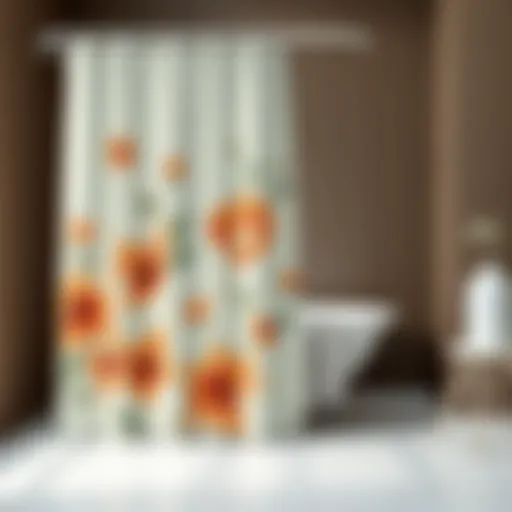
- Patterns and Prints: Bold designs, florals, and geometrics make a statement and can add vibrancy to an otherwise neutral palette, appealing to those wanting a little flair.
- Classic Solid Colors: Colors like navy, forest green, or deep burgundy can create a sophisticated atmosphere that complements wooden furnishings or traditional decor.
Key Color Palettes for Modern Spaces
In modern interiors, color plays a vital role in achieving harmony. The trend has leaned towards earthy, muted tones that evoke a sense of calm. Shades such as soft taupe or muted sage green are particularly popular, as they blend seamlessly with various design styles.
In contrast, bolder colors like teal or mustard yellow can act as focal points, providing an eye-catching element against more subdued backgrounds. The choice of color for your French door insulated curtains ultimately shapes the overall experience of the space by influencing not only the aesthetic but also the mood.
To summarize, the integration of stylish French door insulated curtains not only enhances the beauty of your home but also contributes to energy efficiency, making them a wise investment for any homeowner looking to upgrade their window treatments.
Preface to French Door Insulated Curtains
When it comes to enhancing both aesthetics and functionality in a home, French door insulated curtains stand out in a big way. These curtains not only deliver a stylish touch but also serve essential purposes that many homeowners often overlook. Imagine stepping into a room where the ambiance feels just right—gentle light filtering in, temperature comfortably regulated, and a sense of privacy without sacrificing openness.
One of the significant benefits of these curtains lies in their insulating capabilities. This means they help maintain indoor temperatures, ensuring your living space remains cozy during winter and refreshing in the summer. Insulated curtains trap air in their layers, creating a buffer against outdoor temperature extremes. This thermal regulation can lead to more consistent heating and cooling, reducing the burden on your HVAC system.
In addition to their functional attributes, the style of French door insulated curtains greatly contributes to home decor. Homeowners have an array of fabric options, colors, and designs to choose from. Whether your style leans towards modern minimalism or vibrant classical, there's something to match your aesthetic preferences. This versatility allows insulation to blend smoothly with interior designs, adding texture and warmth that enhances the overall vibe of a room.
Additionally, privacy is another important aspect. With the right selection, these curtains can control how much or how little outside vision penetrates the space. They allow for light management while ensuring that your personal life remains shielded from prying eyes. This balance is vital for spaces like living rooms or bedrooms that have French doors leading to the outside.
Choosing French door insulated curtains is not merely a matter of decoration; it's also a strategic investment. They represent a commitment to energy efficiency, comfort, and personalized style. For homeowners looking to elevate their living spaces while reaping the benefits of significant improvements in insulation and privacy, these curtains deliver on all fronts, making them worth serious consideration.
"Investing in quality insulation not only increases comfort but also shifts your energy costs in a favorable direction."
In this article, we'll delve deeper into the myriad facets of French door insulated curtains, unpacking not just the aesthetics but also the practical implementation, benefits, and maintenance that can help enhance your living spaces significantly.
Understand the Functionality of Insulated Curtains
When pondering French door insulated curtains, a homeowner or designer might see them merely as aesthetic enhancements. However, these curtains perform a multitude of crucial functions that go far beyond decoration. Understanding the core functionalities of insulated curtains can aid in making informed choices that enhance both comfort and utility in your living space.
Thermal Regulation
One of the primary functions of insulated curtains is thermal regulation. These curtains are designed with unique layers of insulating material that help maintain a consistent temperature indoors. This capability is especially significant in homes with French doors, where temperature loss can occur easily due to glass panels.
Utilizing insulated curtains can be likened to placing a cozy blanket around your doors. During the winter months, they serve as barriers against cold drafts, thus keeping your living area warm and snug. Conversely, during the sweltering summer, they block out the sun’s rays, preventing your home from turning into an oven. As a result, residents can achieve a comfortable atmosphere year-round, reducing reliance on heating and cooling systems, which ultimately translates into lower energy bills. In fact, it is estimated that proper insulation can save homeowners up to 25% in energy costs. It's beneficial for both the environment and the wallet.
Light Control
In addition to thermal regulation, light control is another key function of insulated curtains. Depending on the fabric and design, these curtains can vary in their ability to block out light. Some may offer a blackout feature, rendering a dark sanctuary that is perfect for a midday nap or a movie marathon.
The flexibility of light control can also enhance mood and productivity. For example, consider a cozy reading nook with French doors leading to the patio. Properly chosen insulated curtains can filter natural light, creating the perfect ambiance for curling up with a good book, while also allowing some sunlight to warm the room. Thus, not only do these curtains help in managing light, they also allow homeowners to harness it to their advantage, creating spaces that are both functional and inviting.
Privacy Enhancement
Privacy cannot be underestimated when considering the placement of French doors. Insulated curtains provide an effective solution for maintaining privacy without sacrificing light or aesthetics. A well-fitted pair can obscure the view from outside, ensuring that the interior stays hidden from prying eyes and unwanted guests. This is particularly crucial in urban settings where homes are closely situated.
Moreover, the wider and longer styles of French door insulated curtains enable you to customize how much privacy you wish to enjoy at any given moment. You might draw them fully for complete seclusion or open them partially to let in light and maintain a connection to the outside world, all while preserving a sense of security. This balance between privacy and openness can enhance the overall comfort and functionality of a home, making insulated curtains more than just a visual accessory.
"Insulated curtains serve as an innovation in modern home design, combining function and style for the discerning homeowner."
In summary, understanding the functionality of insulated curtains is essential in appreciating their multifaceted benefits. From thermal regulation to light control and privacy enhancement, these curtains serve essential roles, making them a wise investment for any homeowner or designer seeking to enhance the values of comfort and elegance in their living spaces.
Key Materials Used in Insulated Curtains
When it comes to choosing French door insulated curtains, the materials used are crucial. These materials not only define the appearance of your curtains but also play a significant role in their insulation capabilities, durability, and overall functionality. Understanding what goes into making these curtains can help homeowners make more informed decisions, tailored to their specific needs.
Fabric Options
The fabric of insulated curtains is often the first element to consider. It affects both the aesthetic appeal and the functionality. There are several popular fabric choices:
- Polyester: This synthetic fabric is widely used for its resilience and ability to resist wrinkles. It's lightweight yet can be quite effective in thermal insulation when used properly.
- Cotton: Known for its breathability, cotton can unexpectedly offer decent insulation when layered adequately. It also provides a softer touch that many prefer for living spaces.
- Linen: This natural fabric adds a certain elegance, but its insulation properties might require a thermal backing to ensure efficiency.
- Velvet: While it's on the more luxurious side, velvet not only enhances the look but also provides excellent thermal insulation, making it a prime choice for those desiring chic yet functional curtains.
Choosing the right fabric often depends on the room's overall design and the specific needs of the household. For instance, a kitchen may benefit from lighter materials, while a living room could take advantage of heavier, more insulating fabrics.
Insulation Layers
The insulation layers are essentially where the magic happens. These layers are critical to the energy efficiency of French door insulated curtains:
- Thermal Liners: Adding a thermal liner to standard curtains can drastically improve thermal resistance. Often made of foam or polyester, these liners trap air and create a barrier against temperature transfer.
- Interlinings: These are additional layers of fabric sewn between the outer fabric and the lining. They can offer improved insulation and enhance the curtain's draping quality. An interlining is typically made of flannel or cotton, which adds weight and softness without compromising elegance.
- Reflective Mylar: Some insulated curtains incorporate mylar, a material that reflects heat away in summer and retains warmth in winter. It's lightweight and an excellent option for those looking to maximize energy savings.
Effective insulation layers ensure that French curtains do more than just look good; they actively contribute to a more comfortable indoor climate, reducing heating or cooling needs, which is a win in energy efficiency.
Eco-Friendly Materials
In recent times, sustainability has become a significant consideration for many consumers. Eco-friendly materials are not just a trend but a responsible choice:
- Organic Cotton: Grown without harmful pesticides or chemicals, organic cotton is not only better for the planet but also safer for your home environment. It’s breathable and works well in various designs.
- Recycled Polyester: Made from recycled plastic bottles, this fabric is gaining traction due to its low environmental footprint, offering a sustainable way to achieve thermal efficiency.
- Bamboo Fabric: Naturally biodegradable, bamboo requires less water to grow compared to traditional cotton. It has inherent insulating properties, making it both eco-friendly and efficient.
Integrating eco-friendly materials doesn’t just reduce environmental impact; it can also appeal to a growing demographic that prioritizes sustainability in their purchasing decisions. Homeowners can feel good about their choices, knowing they are contributing to a healthier planet.
In summary, the materials behind French door insulated curtains significantly influence their performance, aesthetic appeal, and environmental impact. By carefully selecting fabrics, insulation layers, and eco-friendly options, you can ensure that your curtains serve both functional and aesthetic purposes for years to come.
Styles of French Door Insulated Curtains

The selection of styles for French door insulated curtains plays a crucial role in not just enhancing the aesthetic appeal of your space, but also in optimizing functionality. Different styles cater to various personal tastes and interior design preferences, whether you favor the timeless elegance of classic designs, the sleek lines of modern aesthetics, or the personalization offered by custom options. Understanding these nuances enables homeowners, designers, and DIY enthusiasts to make informed choices that reflect both style and practicality.
Classic Designs
Classic designs exude a sense of nostalgia and elegance that transcends time. Often characterized by rich fabrics and intricate details, these curtains can transform any room into a cozy retreat reminiscent of a bygone era. Popular fabric choices for classic designs include heavy drapes or brocade, which not only add warmth but also contribute to excellent insulation.
These curtains often feature ornate patterns or textures, giving your French doors a regal feel. Consider patterns such as damask or floral prints that have long been associated with classical interiors.
"A classic aesthetic not only draws the eye but also adds a layer of sophistication that can elevate your decor."
When considering classic designs, it's important to pay attention to how they coordinate with other elements in the room. Pay attention to color schemes: rich jewel tones can evoke a sense of grandeur, while softer pastels lend a more quaint touch. Classic curtains often require specific installation techniques to ensure proper draping and movement, making it essential to measure your doors accurately.
Modern Aesthetics
Modern aesthetics bring a fresh perspective to French door insulated curtains. Durability and minimalism are key characteristics. These styles typically utilize lighter fabrics and have clean lines, which resonate well in contemporary home settings. Fabrics like linen or simple cotton blends are popular, allowing for easy maintenance while providing adequate insulation.
In addition to functionality, modern aesthetics aim to blend with broad design themes—think Scandinavian simplicity or urban chic. Using monochrome colors or bold geometric patterns, these curtains can serve as statement pieces without overwhelming the space.
When integrating modern designs, consider how they interact with your existing decor. For instance, if other elements in the room are also minimalist, the curtains can enhance this theme without creating dissonance. Take care when choosing colors; muted shades tend to work best, lending a serene atmosphere.
Custom Options
For those who don’t find their style in classic or modern designs, custom options provide the flexibility needed for unique spaces. Custom curtains allow for one-of-a-kind attributes tailored to the specific measurements and preferences of your French doors. You have the freedom to choose everything from fabric types to lengths and styles.
In addition to aesthetics, custom curtains can address specific functional needs. For example, if energy efficiency is a concern, integrating thick thermal linings becomes easily achievable. Furthermore, personalized designs can incorporate elements that resonate with cultural influences or personal experiences.
Working with professional designers or DIY plans can lead to stunning results that not only fit perfectly but also showcase your personality. This route, while potentially more costly, offers unparalleled satisfaction in crafting a tailored look that reflects your aspirations.
Culmination
In navigating the nuanced styles of French door insulated curtains, it's critical to balance personal taste with practical considerations. Whether opting for classics that evoke time-honored charm, modern aesthetics that prioritize clean lines, or custom creations that embody individuality, the right choice can enhance your home's comfort while making a bold design statement. These curtains do more than just frame a view—they can significantly influence the ambiance, privacy, and energy efficiency of your living space.
Installation Techniques for Optimal Performance
When it comes to French door insulated curtains, the method of installation can dictate their overall performance. Properly installed curtains not only enhance the aesthetic appeal of your home but also significantly improve their effectiveness in thermal regulation and light control. Taking a moment to focus on this topic ensures a seamless fit that maximizes energy efficiency and minimizes hassle in the long run. Throughout this section, we will break down the essential steps and considerations to keep in mind for optimal installation.
Measuring Your French Doors
Getting accurate measurements for your French doors isn’t just a step in the installation process; it is the very foundation upon which your insulated curtains will rest. To start off, grab a measuring tape, a piece of paper, and pen. Here’s a straightforward approach:
- Width Assessment: Measure from the inside edge of the frame on one side to the inside edge of the frame on the other side. Do this at the top, middle, and bottom of the door to account for any irregularities.
- Height Measurement: Measure from the top of the frame down to the sill or the floor. Again, check the height in several locations to ensure consistency.
- Consider the Rod Placement: Think about where you want the curtain rod to sit. Typically, it is advisable to position the rod a few inches above the door frame for a more polished look.
By collecting these measurements, you will ensure your curtains hang just right—neither too short nor too long, thus allowing for both style and functionality.
Choosing the Right Hardware
The hardware you select can either make or break the whole installation process. The auxiliary components must be both durable and fitted well to hold up the weight of insulated curtains. Here’s what to look out for:
- Curtain Rods: Choose rods that are sturdy enough to support the weight of insulated fabric. Look for materials like metal or reinforced wood.
- Brackets: Ensure your brackets can accommodate the thickness and height adjustments of your chosen rod. Opting for adjustable brackets can also be a wise choice.
- Finials: While they are mostly decorative, selecting the right finials can enhance the overall look of your curtains.
Selecting high-quality hardware not only enhances the visual aspects of your installation, but it also impacts functionality. Remember, flimsy hardware might lead to regrets down the line, especially if the curtains sag or fall away from the wall.
Step-by-Step Installation Process
Once you’ve measured and chosen your hardware, it’s time to roll up your sleeves and get to work. Here’s a streamlined process:
- Prepare the Area: Clear any furniture or obstacles in the vicinity of the doors. It’s easier to work when there’s ample space.
- Install the Brackets: Begin by marking the location of your brackets based on your measurements. Use a level to ensure they are straight before screwing them into place.
- Hang the Curtain Rod: Once the brackets are in place, gently slide the curtains onto the rod before securing the rod into the brackets. Make sure it’s secure, but avoid overtightening as this could lead to bending.
- Position the Curtains: Adjust the curtains to fall evenly on either side of the door. Fiddling with the hems may be necessary to achieve a balanced look.
- Test Functionality: Once everything appears in order, open and close the curtains a few times. Ensure they operate smoothly without any snags or drags.
By following these steps and keeping an eye on your set measurements, you will ensure that your insulated curtains not only look great but also perform optimally.
Proper installation is the key to maximizing the benefits of insulated curtains, ensuring you get the desired amount of thermal regulation and aesthetic appeal.
Benefits of Using Insulated Curtains
In the realm of home design, French door insulated curtains provide far more than just a decorative touch; they offer a plethora of advantages that can significantly enhance your living space. This section delves into the myriad benefits of these window treatments, from energy savings to improved sound insulation, proving their worth to homeowners and designers alike.
Energy Efficiency
One of the most crucial aspects of insulated curtains relates to their role in energy efficiency. These curtains act as a barrier against temperature fluctuations, helping to maintain a consistent indoor climate. During the blazing summer months, they can keep the heat out, while in colder seasons, they work to prevent warmth from escaping.
The insulation layers, typically made from materials like fiberglass or foam, can drastically reduce the amount of energy required for heating and cooling. Think of them as a cozy, protective hug for your home, keeping it comfortable without relying excessively on heating and cooling systems.
"By reducing energy consumption, insulated curtains not only save money on utility bills but also contribute to a more sustainable environment."
Reduction in Noise Pollution
For those living in bustling urban areas or near busy streets, insulated curtains can be a blessing in disguise. They serve as a significant sound barrier, dampening external noise and creating a more peaceful environment inside. This acoustic insulation can be particularly beneficial in spaces designed for relaxation, such as bedrooms or home offices.
Imagine curling up with a good book, only to be interrupted by the loud honking of cars or the chatter of passersby. Insulated curtains can muffle those disruptions, allowing you to find solace in your own home. So, whether you’re working from home or trying to catch a few Zs, these curtains will help ensure that the outside world stays outside.
Cost Savings Over Time
Another remarkable benefit of French door insulated curtains is their potential for cost savings in the long run. While the initial investment might seem steep, the savings on energy bills can quickly add up. Many homeowners have reported seeing a significant reduction in monthly costs after installing insulated curtains.
Also, consider the lifecycle of these curtains. High-quality insulated curtains tend to be durable and can last many years, meaning less frequent replacements compared to traditional curtains. Over time, this longevity translates into further savings. It's not just a purchase; it’s a wise financial decision that pays dividends.
In summary, insulated curtains for French doors knock it out of the park in various aspects. They play a vital role in energy conservation, provide noise reduction benefits, and offer significant long-term financial savings. For homeowners, designers, and anyone invested in creating a comfortable living space, the incorporation of these curtains should certainly be at the top of the list.
Care and Maintenance of Insulated Curtains
Taking care of your insulated curtains is essential to ensure they remain in top shape and continue to function as intended. These curtains not only serve to enhance the aesthetic appeal of your home but also play a crucial role in energy efficiency and comfort. Proper maintenance can extend their lifespan and uphold their insulating properties. In this section, we will discuss practical care steps such as washing, repairing minor damages, and knowing when it’s time for a replacement.
Washing and Drying
When it comes to cleaning your insulated curtains, the first rule of thumb is to always check the care label attached. Most curtains can be machine washed, while some may require a more gentle approach, such as hand-washing or dry cleaning. Here are some key considerations:
- Frequency: Aim to wash your curtains every 6 to 12 months, depending on your environment. If you live in a dusty area or have pets, more frequent cleaning is advisable.
- Method: Use a gentle detergent that won’t damage the insulation layer. For machine washing, choose a delicate cycle with cold water to prevent shrinking or fading.
- Drying: Air drying is often the best option. Hang them on a rod or a sturdy clothes line away from direct sunlight to avoid any color loss.
"Regular washing not only keeps your curtains looking fresh but also helps eliminate allergens, providing a healthier living environment."
Proper washing ensures the performance of your insulated curtains is not compromised by dirt or grime.
Repairing Minor Damages
Every now and then, curtains can suffer from wear and tear. Here’s how to address minor damages:
- Small Tears: Grab some fabric glue or sewing kit to patch up small rips. For fabric glue, just apply a thin layer on the torn edges and press them together.
- Hems Coming Loose: If the hem has started to unravel, it’s an easy fix. You can resew the hem with a needle and thread or apply some fabric tape for a no-sew solution.
- Broken Rings or Clips: Sometimes, the hardware can give out. Many stores sell replacement rings or clips, or you can repurpose a sturdy paper clip as a temporary solution.
Taking care of these issues right away can prevent them from turning into larger problems and keeps your curtains functional and looking good.
When to Replace
Finally, knowing when to bid farewell to your insulated curtains can be tricky. Here are some signs you shouldn't ignore:
- Fading: Sunlight can cause colors to fade over time. If your curtains look more like shadowy ghosts of their former selves, it might be time to shop.
- Loss of Insulation: If you find that your energy bills are climbing but your curtains seem fine, they might have lost their insulating properties. A simple test is to feel for drafts coming through the material; if you feel significant airflow, replacements may be necessary.
- Stains or Odors: If you've tried everything to clean them without success and they still smell musty or have unsightly stains, it might be time to let go.
Being proactive about maintenance and understanding when to replace your curtains can save you both time and money in the long run.
Integrating Insulated Curtains into Interior Design
The integration of insulated curtains into interior design is not just about functionality; it’s about creating a harmonious atmosphere that feels both inviting and tailored to individual taste. These curtains play a critical role in both aesthetic appeal and practical benefits. With their ability to manage temperature and enhance privacy, they have become essential elements in modern homes. Their design should complement the overall theme of the room while also standing out as a statement piece.
One primary consideration is the color trends that dominate the interior design landscape. Neutral colors, such as grays, beiges, and whites, allow for versatility and can blend seamlessly with various decor styles. On the other hand, adding a splash of bold colors like deep teals or rich burgundy can energize a space and create a focal point. You may even find yourself gravitating towards fabric patterns that resonate with current trends; geometrics and florals can bring texture and depth.
Color Trends
When discussing color trends, it’s important to recognize how shades can influence mood and ambiance. Earthy tones are very much in vogue right now, reflecting a growing emphasis on sustainability and connection to nature. Additionally, warm colors, such as terracotta or mustard, pair excellently with cooler palettes, balancing vibrancy with subtlety.
"The right color can transform a space—turning a dull room into something that speaks to your soul."
Incorporating these colors into insulated curtains can breathe new life into your interior without overwhelming the overall aesthetic. Experimenting with contrasting colors or incorporating layers through different curtain lengths can provide an engaging visual narrative.
Complementing Room Aesthetics
Complementing room aesthetics is more than just a task of choosing the right colors; it's about understanding the design language spoken by your furnishings and decor. For instance, in a minimalistic space, opting for solid, sleek curtains keeps the look cohesive without adding visual clutter. Conversely, in a vintage-inspired room filled with intricate details, a curtain featuring classic patterns could add an extra layer of charm.
Moreover, consider the material of the insulated curtains. Velvet adds luxury and warmth, while lighter fabrics like cotton can provide a relaxed feel. When harmonizing with existing elements, pay attention to textures. If you have soft furnishings like plush couches or knitted throws, try to find insulated curtains that match or contrast those textures in an effective manner.
Accessorizing with Hardware
Accessorizing with suitable hardware is often overlooked but can elevate the overall presentation. The curtain rods, rings, and finials should complement the curtains and enhance the room's design. Whether you are going for sleek chrome for a modern design or ornate wooden rods for a more rustic feel, the hardware needs to support the style of both the curtains and the space.
Choose hardware that not only matches aesthetically but also functions well with your curtain setup. If your curtains are heavy due to insulation, opt for sturdier rods that can handle the weight without sagging. You can also consider decorative brackets that can add an element of artistry, providing both support and style.
For more inspiration on room aesthetics and integration, visit Britannica or check out discussions in relevant forums like Reddit.
Every choice you make contributes to the home's overall character and comfort; these curtains should be celebrated as part of that journey.
Exploring Cost Factors
Understanding the cost factors associated with French door insulated curtains is key for anyone considering this home improvement project. These window treatments can enhance the energy efficiency of your space while adding a layer of aesthetic appeal. Evaluating the costs goes beyond just the price tag on the curtains themselves; it encompasses budgeting considerations, long-term investments, and how they stack up against other types of window treatments.
Budget Considerations
When embarking on the journey of purchasing insulated curtains, the first hurdle to jump is the budget. Various elements contribute to the overall cost including:
- Material Quality: The type of fabric and insulation can make a significant difference. Higher quality materials tend to come at a premium but offer better durability and efficiency.
- Brand Influence: Well-known brands may charge more due to their reputation for quality, while lesser-known brands might provide similar products at a more affordable price.
- Custom Sizes: If your French doors are an unusual size, opting for custom curtains rather than standard sizes might stretch your budget even further.
It’s essential to list your financial parameters right from the outset. Doing some preliminary research can lead you to sales or promotions, allowing you to snag a deal.
Long-Term Investment
While the initial outlay may seem hefty, think of insulated curtains as a long-term investment rather than just an expense. They offer numerous benefits that could save you money down the line:
- Energy Savings: Insulated curtains help to regulate your home’s temperature, cutting down energy bills during both summer and winter months.
- Increased Home Value: Quality window treatments can enhance the overall appeal of a property, potentially increasing its value should you ever decide to sell.
- Durability: When chosen wisely, insulated curtains stand the test of time, meaning you won't frequently need to replace them. Think of it as spending a little today for years of comfort and efficiency.
Comparative Analysis with Other Window Treatments
An educated consumer knows how their choices stack up. So, how do insulated curtains measure against other window options? Here’s a look at some comparisons:
- Blinds vs. Curtains: Blinds typically can be cheaper up front but may not offer the same level of insulation as curtains. If energy efficiency is your goal, curtains may prove to be a more beneficial choice.
- Shades vs. Curtains: Shades can provide a level of light control, but they often lack the thermal benefits that insulated curtains offer. In colder climates, this can be a significant drawback.
- Film Windows vs. Curtains: Window films may be an inexpensive initial option but can lack the elegance and versatility curtains provide. House aesthetic and comfort often weigh heavily in making a decision.
Trends in French Door Designs
The world of interior design continuously evolves, and French door insulated curtains are no exception. When discussing trends in French door designs, it's crucial to recognize how these elements serve not just aesthetic purposes but also fulfill functional needs in modern homes. Whehther it’s optimizing energy efficiency, enhancing the overall ambiance, or introducing a sense of style, the trends reflect how homeowners and designers think about spatial dynamics today.
Current Market Trends
Currently, the market has seen a shift towards sustainable and versatile designs. Homeowners are leaning towards materials that not only look good but also help keep energy bills in check. Fabrics like organic cotton and recycled polyester are gaining traction. They not only provide adequate insulation but also appeal to eco-conscious buyers who are keen on reducing their environmental footprint.
Another notable trend relates to color choices. Shades that resemble natural elements—think deep greens or warm earth tones—are proving popular. These colors can easily blend with diverse decor styles, making them an attractive option for those looking to create harmony within their spaces.
Considerations:
- Sustainability: Emphasis on eco-friendly materials.
- Color Schemes: Natural hues that resonate with tranquility and comfort.
Future Predictions
Looking ahead, designers anticipate a greater integration of smart technology. Imagine curtains that can automatically adjust based on temperature changes or even time of day. Smart curtains can enhance both comfort and energy efficiency while also being highly convenient.
User-friendliness is also a target for future designs. Homeowners will increasingly prefer curtains that can be adjusted either through mobile apps or voice commands. The trend towards minimalistic designs, characterized by improved functionality without overwhelming aesthetics, will likely materialize more. Think of clean lines and simple forms that can coexist easily with the overall decor, providing both form and function.
Future Insights:
- Smart Technology: Curtains that adapt to environmental changes.
- Minimalistic Style: Functionality that marries simplicity in design.
Influences from Global Design Movements
Global design movements are instrumental in shaping local trends. The Scandinavian design philosophy emphasizes minimalism and natural elements, often advocating for light, airy spaces with multifunctional furniture. This has influenced the choice of lighter fabrics for French door insulated curtains, facilitating natural light while allowing for better insulation.
Conversely, the Bohemian style, with its layered textures and vibrant patterns, encourages a more eclectic approach. Homeowners inspired by this trend might opt for insulated curtains that feature bold prints, adding character and a cozy feel to their spaces.
"Design is not just what it looks like and feels like. Design is how it works."
– Steve Jobs
The fusion of both approaches showcases the broad spectrum of influences, enabling anyone to personalize their living spaces through curtains that reflect their unique tastes.
Global Influences:
- Scandinavian Design: Focus on light and functionality.
- Bohemian Style: Emphasis on vibrant, eclectic patterns.
Understanding and integrating these trends in French door designs enable both homeowners and designers to create harmonious spaces that are both beautiful and practical.
Environmental Impact of Insulated Curtains
The topic of environmental impact holds significant weight in today’s world, especially as homeowners, designers, and builders strive to make more sustainable choices. French door insulated curtains not only enrich the aesthetic appeal of a home, but they can also play a crucial role in promoting eco-friendliness and energy efficiency, thus reducing the ecological footprint of living spaces.
These curtains are designed with features that foster thermal regulation, resulting in lower energy consumption for heating and cooling. This aspect makes them an essential consideration for those looking to upgrade to a more sustainable window treatment.
Sustainable Manufacturing Practices
When evaluating the environmental impact of insulated curtains, one must first consider how they are made. Sustainable manufacturing practices encompass various methods aimed at reducing waste and pollution in the production process. For instance, companies may opt for the following:
- Responsible Sourcing of Materials: Choosing fabrics and insulation materials that are produced with minimal impact on the environment.
- Energy-Efficient Production: Utilizing processes that require less energy for manufacturing can greatly reduce carbon footprints.
- Water Conservation: Manufacturers may implement techniques that reduce water usage during production, thus preserving valuable natural resources.
Adopting these practices is not only beneficial to the environment; it can also enhance the marketability of products among environmentally conscious consumers.
End-of-Life Considerations
Another core element of environmental sustainability is the end-of-life impact of products. As with any home furnishing, insulated curtains will eventually reach their usable limit. Here are some considerations to ponder:
- Durability: Well-made insulated curtains can last many years, reducing the need for frequent replacements.
- Disposal Methods: Consideration should be given to how these products are disposed of. Ideally, they should never see the inside of a landfill. Instead, look for ways that prevent waste, such as donating, upcycling, or reusing materials.
- Consumer Awareness: Providing information about how to responsibly dispose of or recycle old curtains can be beneficial for consumers who wish to contribute positively to the environment.
Recycling Options
Fortunately, when it comes to managing the lifespan of insulated curtains, recycling options do exist. Here are a few avenues that consumers can explore:
- Local Textile Recyclers: Many communities have textile recycling programs that accept old curtains, transforming them into new products.
- Community Initiatives: Some local organizations recycle textiles while promoting sustainability efforts through local efforts.
- DIY Projects: Creative recycling can also be an attractive option for DIY enthusiasts, turning old curtains into tote bags, cushion covers, or other decorative items.
Ultimately, the environmental impact of French door insulated curtains is multi-faceted. By understanding sustainable manufacturing practices, being mindful of end-of-life considerations, and exploring recycling options, consumers can make choices that positively affect the environment while also enjoying the benefits of these stylish window treatments.
"Sustainability isn’t just a trend; it’s the way forward for our homes and our planet."
In this rapidly changing world, it’s imperative that all stakeholders, from manufacturers to consumers, remain conscious of the environmental implications of the products they choose.
Case Studies: Successful Implementations
Exploring successful implementations of French door insulated curtains provides practical insights into their real-world applications. These case studies not only showcase how such curtains can enhance both aesthetics and functionality but also highlight the tangible benefits they provide in various settings. By looking closely at residential and commercial examples, homeowners and designers can gain a well-rounded understanding of what works effectively and why. These insights serve as valuable learning opportunities that can influence decisions and inspire creativity in interior design.
Residential Examples
In private homes, the integration of French door insulated curtains often reflects a blend of style, comfort, and practicality. For instance, a vibrant red insulated curtain in a cozy living room not only adds warmth but also accents the décor beautifully. A look at a classic suburban home reveals how residents utilized insulated curtains to combat drafts during cold winters. The curtains, made from thick fabric with a thermal layer, allow the family to enjoy their patio without being cold, thus enhancing their comfort levels.
- Common Benefits in These Examples:
- Thermal insulation: One homeowner reported a noticeable reduction in heating bills after installing these curtains.
- Aesthetic enhancement: The right curtains can totally transform a space, making it feel more inviting and stylish.
- Versatile designs: Homeowners often compliment the diversity in styles, allowing them to match curtains with their home’s theme.
Another case involved a townhome that faced a busy street. Here, the curtains played a critical role in blocking out noise, providing a serene environment for the family. In such instances, insulated curtains not only keep the interior warm but also serve to provide a sanctuary away from urban chaos.
Commercial Use Cases
When it comes to commercial spaces, the adoption of French door insulated curtains illustrates a different set of necessities and advantages. For a boutique café located in a bustling area, installing insulated curtains helped enhance customer comfort while reducing noise levels. The curtains were designed to be both stylish and functional, featuring a subtle pattern that complemented the café’s overall aesthetic.
- Key Elements from Commercial Implementations:
- Customer Experience: The café owner noted an increase in customer satisfaction due to improved ambiance, leading to a rise in return visits.
- Cost-Effective Solutions: Insulated curtains offered a budget-friendly way to manage energy consumption, highlighting their effectiveness in maintaining a comfortable environment for patrons.
- Brand Identity: By selecting curtains that matched the overall brand colors, the business infused their space with a cohesive look, making the atmosphere more appealing.
A luxury hotel chain showcased advanced insulated curtains in their event spaces, allowing for flexible use of the rooms. During cold months, those curtains provided guests with comfort during gatherings, ensuring that the space remained warm without losing the view outside. This application demonstrates that insulated curtains can enhance both functionality and the guest experience.
"Choosing the right insulated curtains for your space not only enhances energy efficiency but also elevates the overall aesthetic. It’s a win-win situation for homeowners and commercial spaces alike."
Through these residential and commercial examples, it’s clear that successful implementations of French door insulated curtains can deliver significant benefits. From improving thermal regulation to enhancing the overall look of a space, these curtains play a versatile role in modern living and working environments. Understanding various applications can guide individuals in selecting the best options for their own needs.
Customer Feedback and Reviews
In the realm of home improvement and interior design, the voices of consumers play a pivotal role. Customer feedback and reviews provide invaluable insights into the real-world performance of products, including French door insulated curtains. Understanding these perspectives can guide potential buyers in making well-informed choices. Beyond the technical specifications and aesthetic appeal, it’s the experiences shared by users that can truly highlight the effectiveness and practicality of these curtains.
Considerations around customer feedback often center on several key elements:
- Performance Metrics: How well do these curtains perform in terms of thermal insulation, light control, and noise reduction? Users often report their experiences with changes in energy bills and comfort levels in their living spaces after installation.
- Material Quality: Customers provide their opinions on the fabric, weight, and overall durability of the curtains. Are they easy to clean? Do they show wear and tear quickly? These factors influence whether buyers feel they received value for their money.
- Aesthetic Quality: Design matters. How do these curtains enhance the look of the room? Positive feedback regarding design alignment with decor can lead buyers toward curtain styles that might best fit their homes.
- Installation Experience: Practical reviews often touch on the ease or complexity of the installation process. When a customer shares steps or tools needed for successful installation, it can serve as a helpful guide for others.
- Service and Warranty: Sometimes customers discuss their experiences with manufacturers or retailers, indicating how customer service handled inquiries or issues. Reviews that detail warranties are also vital as they give insights into the product's longevity or factory support if something goes wrong.
"I noticed a significant drop in my energy bill after installing insulated curtains on my French doors. They really make my home cozier in winter, and I love the style they add!" - Happy Customer
User Experiences
User experiences tell a compelling story. They highlight why consumers chose French door insulated curtains over traditional options. For some, it was about aesthetics, while for others, it hinged on functionality. Many reviewers share before-and-after scenarios that paint a vivid picture of their satisfaction.
One user might detail how their traditionally drafty French doors transformed into a snug retreat after installing these curtains. They could highlight the reduction in chilly breezes, emphasizing improved comfort, especially during harsh winters. A different reviewer may note the stylish designs available, mentioning how their selection of curtains complements their home decor, thereby elevating the overall ambiance.
Moreover, feedback on user experiences often includes practical tips. Discussions around the handling and washing of the curtains can help potential buyers understand their upkeep. For instance, a user might recommend dry cleaning due to fabric sensitivities or suggest easy-to-follow washing instructions to ensure longevity.
Expert Opinions
Beyond user insights, expert opinions lend credibility and depth to the evaluation of French door insulated curtains. Interior designers, energy efficiency specialists, and textile experts often weigh in on both functionality and design choices. Their assessments can help readers understand what to prioritize when selecting curtains.
Experts often highlight:
- Energy Efficiency: Specialists emphasize the statistical benefits of insulated curtains regarding energy saving. They might cite studies that show up to 25% energy savings in homes using these products, thus affirming the investment aspect.
- Material Science: Professionals may delve into fabric technology, discussing which materials offer the most effective insulation. Understanding advanced features like thermal lining or multi-layered construction offers readers critical insights on what to look for.
- Aesthetic Guidance: Designers may comment on the trends in color and pattern, providing suggestions on how to coordinate curtains with existing color schemes. Their analyses can inspire readers to think creatively about integrating these curtains into their homes.
One expert succinctly stated, "Insulated curtains are not just about blocking cold air. They are a powerful tool for reducing your carbon footprint, enhancing your home’s style, and promoting comfort." Such affirmations can reassure potential buyers in their purchase decisions.
Overall, both user experiences and expert opinions weave together a rich tapestry of insights that help homeowners make informed and confident selections while integrating French door insulated curtains into their living spaces.
Finale and Final Thoughts
In wrapping up this exploration of French door insulated curtains, it’s clear that these window treatments serve far more than just an aesthetic purpose. They are like the Swiss Army knife of home decor, combining insulation, style, and practicality all in one neatly folded package. The importance of understanding the benefits and functionalities of insulated curtains cannot be overstated, particularly for homeowners looking to enhance energy efficiency and comfort in their living spaces.
One of the standout elements discussed is the thermal regulation capability of these curtains. In colder months, they act as a barrier against invasive drafts, keeping homes warmer. Conversely, in the heat of summer, they can help keep interior temperatures down. This dual capability highlights just how integral insulation is to energy savings. But this is just scratching the surface.
When integrating French door insulated curtains into your home or design project, consider the aesthetic impact. Styles range from classic to contemporary, with plenty of custom options available. This versatility means that regardless of your existing decor, there's likely a design that meshes seamlessly with your vision. Moreover, these curtains can enhance privacy without sacrificing natural light—an essential balance in any home.
Maintenance, often forgotten in discussions of home decor, also plays a significant role. Knowing how to care for and maintain these curtains ensures their longevity and continued performance. This extends beyond just washing; it involves an understanding of when repairs are needed and how often to assess their condition. Ignoring wear and tear can lead to diminished benefits and the need for a costly upgrade down the road.
Furthermore, with an increasing focus on sustainability in home décor, many options now feature eco-friendly materials and production practices. Being mindful of the environmental impact of your choices can lead to a more responsible approach to home improvement.
"Investing in quality window treatments like French door insulated curtains is a step toward a more energy-efficient, stylish home."
Understanding these layers, benefits, and care requirements equips homeowners and designers alike with the knowledge needed to navigate the world of window treatments with confidence.