
Enhancing Living Rooms with LED Ceiling Lights
Intro
Lighting is what sets the mood. Whether you're having a quiet evening or hosting a lively get-together, the right lighting can make all the difference. When it comes to living rooms, LED ceiling lights have become a go-to choice for homeowners and designers alike. They not only improve functionality but also play a pivotal role in enhancing aesthetic appeal. This article will guide you through various types of LED ceiling lights suitable for the living room, their advantages, practical installation tips, and design trends that can elevate your space.
Current Furniture Trends
As living spaces evolve, so do the styles and materials used in furniture design. The choice of lighting plays an essential role in complementing these trends.
Popular Styles and Materials
Modern furniture often emphasizes minimalism and functionality. Here are some popular styles:
- Mid-Century Modern: Combines clean lines with organic shapes, making it timeless.
- Scandinavian: Emphasizes simplicity and light, which pairs well with the cool glow of LED lights.
- Industrial: Features rugged materials like metal and wood. Pairing it with exposed LED fixtures can create a striking effect.
Materials are shifting toward sustainable choices, emphasizing recycling and eco-friendliness. A combination of reclaimed wood and brushed metal often shines when paired with the right LED lighting.
Key Color Palettes for Modern Spaces
Color plays a major role in how spaces feel. Some trending color palettes for living rooms include:
- Warm Neutrals: Beige, taupe, and cream tones create a cozy atmosphere.
- Bold Accents: Deep blues, emerald greens, and burnt oranges add depth and personality.
- Monochrome: Using various shades of a single color can create a sophisticated look, especially when highlighted by LED lights.
When selecting LED lights, consider how colors will affect the ambiance. For instance, warmer whites can complement earthy tones, while cooler whites may suit bolder colors better.
"Selecting the right color temperature for your LED lights can significantly influence the overall feel of your living room space."
Practical Design Tips
Designing a space with LED ceiling lights doesn't have to be a daunting task. Here are some insights to help you optimize your living area.
Space Optimization Techniques
Effective use of LED ceiling lights can enhance the perception of space:
- Layered Lighting: Combine ambient, task, and accent lighting for a well-balanced effect.
- Zone Lighting: Use multiple fixtures to create distinct areas for reading, socializing, or relaxing.
- Dimmers: Installing dimmer switches allows you to adjust brightness, making the room adaptable to different activities.
DIY Projects for Custom Furnishings
For the creative at heart, consider these DIY projects to personalize your living space further:
- Custom Light Fixtures: Create unique lighting designs using vintage or modern materials that resonate with your style.
- Light Reflectors: Utilize mirrors and light-colored surfaces to enhance brightness and space perception.
This article serves as a comprehensive guide, illuminating the many aspects of selecting and utilizing LED ceiling lights in your living room. Exploring these options will allow homeowners, designers, and DIY enthusiasts to make informed choices that reflect current trends and individual tastes.
Understanding LED Technology
Understanding LED technology is pivotal in selecting the right lighting solutions for your living room. The shift towards LED lighting signifies more than just a new trend in interior design; it marks a shift towards energy efficiency, longevity, and innovation. LEDs, or light-emitting diodes, have carved out a reputation for being a game changer in the lighting industry. By familiarizing yourself with the intricacies of this technology, homeowners and designers alike can make well-informed choices that enhance both aesthetics and functionality in living spaces.
What is LED Lighting?
At its core, LED lighting is a technology that uses semiconductors to convert electricity into light. Unlike traditional bulbs, which often rely on gases or filaments, LEDs produce light when electrons move through the semiconductor material. This process generates less heat, leading to greater energy efficiency. In practical terms, this means more lumens for your buck, helping to illuminate your living room without hiking up your energy bills.
Consider, for example, opting for Philips Hue LED bulbs. They offer both vibrant color ranges and adjustable brightness, allowing you to tailor your living space’s ambiance to suit different occasions—be it a cozy evening with friends or a quiet night in with a book.
Notably, LEDs are also compact. Their small size allows for versatile design options, making them suitable for various fixtures and styles—from sleek recessed lights to bold pendant fixtures.
Benefits of LED Over Traditional Lighting
The benefits of LED lighting over traditional incandescent or fluorescent options are numerous and varied.
- Energy Efficiency: LEDs consume significantly less power. While an incandescent bulb might use up to 60 watts for equivalent brightness, an LED requires only about 10 to 15 watts.
- Long Life Span: LEDs boast a lifespan that can reach up to 25,000 hours or more, compared to the average 1,000 hours for incandescent bulbs. This longevity translates to reduced replacement costs and less waste, making them an environmentally friendly choice.
- Lower Heat Emission: Traditional bulbs waste energy in the form of heat. LEDs emit very little heat, which not only reduces cooling costs but also makes them safer to use in enclosed fixtures.
- Variety of Designs: As mentioned, LEDs can be integrated into nearly any fixture and come in a wide array of colors and styles. This flexibility offers designers endless possibilities for creating unique and inviting environments.
- Dimmable Options: Many LED systems now come with adjustable brightness settings, allowing you to control the mood and intensity of light effortlessly. This feature is particularly useful in a living room setting where different activities require varied lighting.
"The energy efficiency and design versatility of LED lighting can transform not just how a room looks but how it feels. Make the switch, and you'll be surprised by how much of a difference it can make."
Types of LED Ceiling Lights
The category of LED ceiling lights encompasses a variety of designs, making it a crucial element in enhancing the aesthetic and practical aspects of living rooms. Choosing the right type can significantly influence not just the look of the space, but also its functionality. Understanding these various types will help homeowners and designers alike create dynamic and inviting atmospheres that cater to their specific needs. Let's delve into the different types of LED ceiling lights available.

Recessed LED Lights
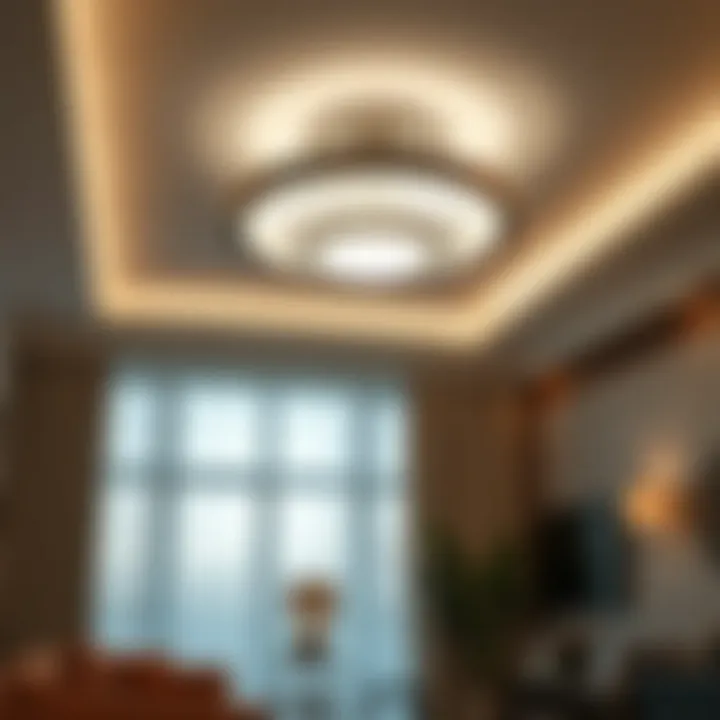
Recessed LED lights, often referred to as can lights or pot lights, are fixtures that are installed into a hollow opening in the ceiling. They create a sleek, unobtrusive look, blending seamlessly with your ceiling and providing a clean appearance. One of the key benefits of recessed lights is their versatility. They can be strategically placed to highlight artwork, illuminate a seating area, or provide general lighting throughout the room.
When considering recessed LED lights for a living room, it's important to think about the beam angle and brightness. A wider beam angle allows for even light distribution, while a narrower angle can create focused pools of light. Additionally, recessed lights usually have a longer lifespan and lower energy consumption compared to traditional bulbs, making them a sound investment.
Pendant LED Fixtures
Pendant LED fixtures offer a stylish lighting solution that can serve as a focal point in your living room. Hanging down from the ceiling, they come in various shapes, sizes, and designs, providing ample opportunity for creativity in decoration. These fixtures can be featured above a coffee table or central seating area to enhance the ambiance.
One significant advantage of pendant lights is their ability to offer adjustable height, which allows for customization based on the room’s layout and the desired effect. Not only do they function as effective light sources, but they also add character and a touch of elegance to the space. However, it’s essential to weigh the visual weight of the pendant against the scale of the room, ensuring a harmonious balance in design.
Flush Mount LED Lights
Flush mount LED lights are fixtures that sit snugly against the ceiling, providing maximum brightness without taking up much space. This type is particularly beneficial for living rooms with lower or sloped ceilings, where hanging fixtures might not be appropriate. Flush mounts can be found in a variety of styles, from sleek and minimalistic to more ornate designs, fitting seamlessly into almost any decor.
Their placement should be considered carefully, as they can effectively cast light in a wide area, making them suitable for general illumination needs. Homeowners should also consider the color temperature of the bulbs to create warmer or cooler atmospheres, depending on personal preferences and the overall mood desired in the living room.
Track Lighting Systems
Track lighting systems offer unparalleled flexibility and control over how light is distributed in a room. Comprising a series of adjustable fixtures mounted on a track, they allow for spotlighting key features and accentuating areas of interest. This type is ideal for highlighting architectural details, artwork, or an entertaining space within the living room.
One of the merits of track lighting is that it can be reconfigured. If the needs of the room change over time—say you acquire new artwork or shift furniture—it can adapt without requiring a complete overhaul of the lighting system. Track lighting uses LED technology extensively for energy efficiency and longevity, positioning it as a modern solution to decorative and functional lighting.
Advantages of LED Ceiling Lights for Living Rooms
Choosing the right lighting for a living room is not merely about illuminating a space; it's about creating an atmosphere that enhances comfort and style. LED ceiling lights have gained prominence due to their myriad advantages. Understanding the unique benefits of these lights can inform your decisions, ensuring you select fixtures that elevate your living space both functionally and aesthetically.
Energy Efficiency and Longevity
One of the standout qualities of LED ceiling lights is their energy efficiency. Unlike traditional incandescent bulbs, which waste a considerable amount of energy as heat, LEDs convert about 80-90% of their energy into light. This means lower electricity bills and a reduced carbon footprint. Homeowners who are environmentally conscious will appreciate this aspect, as it aligns with a broader goal of sustainability.
Moreover, LED lights have an impressive lifespan, often lasting up to 25,000 hours or more. This longevity is a massive leap over conventional bulbs, which can require frequent replacements. Picture this: installing LED ceiling lights means you won’t have to constantly climb that ladder every few months to replace burnt-out bulbs. The initial investment may be higher, but it pays off in the long run, making LED lighting a clever choice for any homeowner looking to enhance their living room.
Versatility in Design
LED ceiling lights come in a broad array of designs and styles, catering to diverse tastes and preferences. Whether your living room leans towards contemporary chic or timeless elegance, there's an LED solution that fits. Consider the various options:
- Recessed lighting blends seamlessly into the ceiling, providing a clean look.
- Pendant fixtures can serve as statement pieces, drawing the eye and adding character.
- Flush mounts keep things simple yet stylish, perfect for spaces with lower ceilings.
- Track lighting allows flexibility, letting you spotlight art or architectural elements with ease.
The flexibility in design means you don’t have to compromise on aesthetics. You can choose lights that complement your furniture and decor, creating a harmonious environment that invites relaxation. Such versatility empowers homeowners to express individuality while ensuring necessary functionality.
Adjustable Brightness Options
Another feature that sets LED ceiling lights apart is their adjustable brightness capabilities. With dimmable LED options, you can tailor the intensity of the light to suit the occasion. Whether it’s a bright, lively gathering with friends or a cozy movie night at home, the ability to control brightness can transform the mood rapidly.
Many modern LEDs come equipped with smart home technology, allowing homeowners to adjust brightness levels using their smartphones or voice commands. This level of interactivity opens a new realm of convenience, making it possible to create the perfect ambiance with just a few taps or words. Such adaptability not only enhances decor but also plays a crucial role in mood-setting.
Considerations for Choosing LED Ceiling Lights
Selecting the right LED ceiling lights for your living room is not merely a matter of preference; it can significantly influence the overall ambiance and functionality of the space. Understanding the specific elements involved in this decision-making process ensures you create an environment that reflects your personal style and meets practical needs. With various options available, it’s essential to consider factors such as room size, brightness levels, color temperature, and how the design of the lighting fits with the room’s aesthetic.
This section will provide insightful details tailored to homeowners and design professionals regarding how to make informed choices, ultimately guiding your journey to a well-lit, harmonious living space.
Room Size and Layout
When contemplating LED ceiling lights, the size and layout of your living room play a pivotal role in your selection process. The amount of available space and its arrangement dictate not just how many fixtures you might need but also the types that will best suit the environment. For instance, a wide-open layout may benefit from pendant fixtures that provide focus without overwhelming the space, whereas a smaller or cozier room may require recessed lighting for a streamlined, uncluttered look.
Here are some points to consider:
- Small Rooms: In a compact living room, opt for fixtures that don’t take up visual real estate. Recessed lights or flush mount designs can offer ambient lighting without making the space feel cramped.
- Large Rooms: In more expansive spaces, consider layering different types of fixtures such as chandeliers combined with spot lighting. This creates visual interest and offers flexibility in illumination.
- Room Shape: Take note of the room shape when choosing your lighting. A long, narrow living room might benefit from track lighting along the length of the space, while a square room may look balanced with a central fixture.
By paying close attention to these elements, you’ll ensure your lighting complements the room's proportions while enhancing usability.
Brightness Levels and Color Temperature
Not all LED lights are born equal when it comes to brightness and color temperature. Understanding how these facets affect the overall ambiance helps you create the perfect atmosphere for your living room. Brightness is often measured in lumens, and a higher lumen output is ideal for tasks like reading or socialization, whereas lower levels create a more relaxed atmosphere.


- Measurement: Generally, for a living room, you should aim for about 100 lumens per square foot. For instance, a 250-square-foot room would ideally need about 25,000 lumens in total, but this can be divided across multiple fixtures.
- Color Temperature: Color temperature, measured in Kelvins, dictates the light’s characteristics. A warmer light (around 2700K to 3000K) produces a cozy, inviting feel. In contrast, a cooler light (4000K and beyond) gives a cleaner and more energizing effect.
Utilizing a combination of warm and cool light sources can also enhance visual depth and bring warmth to your living room palette.
Design Style Compatibility
Choosing LED ceiling lights also requires a keen eye for design compatibility. The fixtures should harmonize with the overall decor style of your living room. Whether your interior leans toward contemporary, rustic, or minimalistic, integrating the correct lighting style can make or break the room's aesthetic.
- Modern Spaces: Sleek, geometric shapes or minimalist designs often pair well with modern decor. Options like pendant lights with clear glass shades or metallic finishes complement such environments.
- Traditional Rooms: If your living room embraces classic style, consider ornate chandeliers or vintage-inspired fixtures that echo historical craftsmanship while offering modern functionality.
- Eclectic Decor: In more eclectic settings, mixing different styles can yield dynamic results. You might choose one standout piece, like a bold pendant, to act as a focal point amid varied design elements.
Installation and Maintenance
When it comes to choosing LED ceiling lights for your living room, installation and maintenance play a pivotal role in the overall efficiency and aesthetic appeal of your lighting solution. Understanding these aspects can save you time, money, and unnecessary frustration down the line. Often, folks get caught up in the initial excitement of design choices and forget that the installation process and routine upkeep are just as crucial in ensuring that your LED lights not only look good but also perform optimally.
Professional Installation vs. DIY
Deciding between professional installation and taking the DIY route can be a bit of a conundrum for homeowners. On one hand, hiring a professional ensures that the job is done right the first time. They have the expertise, bandwidth of experience, and knowledge of local building codes and safety standards. This means no more worrying about making an accidental misstep that could lead to dangerous wiring issues.
However, if you're the kind of person who enjoys a bit of hands-on work and maybe views DIY as a chance to flex your creative muscles, installing your LED ceiling lights on your own can be an appealing option. Doing it yourself can save a bit of cash, and there's a certain sense of satisfaction that comes with completing a project independently. Just be sure you feel comfortable with the basic electrical work involved. If not, it's wise to reach for that phone and call in the pros.
Some factors to weigh might include:
- Skill Level: Are you confident in your electrical skills?
- Time Consideration: Do you have the time to take the necessary precautions and install your lights properly?
- Safety: Are you equipped with the right safety gear and knowledge to handle electrical components?
Whatever you choose, make sure to follow proper protocols to avoid any mishaps.
Routine Maintenance Tips
Maintaining your LED ceiling lights is relatively straightforward, but it’s a task that some might overlook after the initial installation is complete. Here are some practical tips to ensure your lights continue to shine bright for years to come:
- Regular Dusting: Use a microfiber cloth to dust off the fixtures regularly. Dust can dim the effectiveness of your lighting significantly.
- Check the Bulbs: Occasionally peek at your LED bulbs to ensure they're functioning correctly. If a bulb goes out, replace it to maintain the overall brightness of your room.
- Inspect Fixtures and Wiring: It’s smart to check the physical condition of your lights every few months. Look for signs of wear and tear or any loose wiring that could potentially be hazardous.
- Temperature Awareness: LEDs can last longer when not exposed to extreme heat. Ensure that the fixtures are well ventilated to lower the risk of overheating.
- Keeping It Cool: Make a point to avoid placing any heavy objects or obstructions close to the light fixture that might pose risks during replacement or cleaning.
A well-maintained lighting system helps preserve the longevity of the fixtures and keeps your living space cozy and inviting. So, a little diligence in maintenance goes a long way.
In summary, both installation and maintenance to your LED ceiling lights may seem mundane, but they are necessary components in making sure that your living room lighting is effective and beautiful, enhancing the overall ambiance and function of the space. For further information about the benefits and details of LED lighting, consider checking resources like en.wikipedia.org or britannica.com.
Keeping your LED fixtures clean and well-installed isn’t just about aesthetics—it's about creating a welcoming atmosphere that resonates warmth and charm.
Current Design Trends in LED Lighting
The landscape of interior design is ever-evolving, with LED lighting playing a pivotal role in shaping modern aesthetics. Homeowners, designers, and architects are increasingly drawn to innovative methods for enhancing functionality and style in living spaces. This section delves into the current design trends within LED lighting, highlighting minimalist aesthetics and smart home integration, both of which add considerable value to the living room environment.
Minimalist Aesthetics
Minimalism is more than just a style; it’s a way of life for many. When applied to LED ceiling lights, this aesthetic embodies clean lines, simplicity, and functionality. The trend favoring less clutter enhances the visual appeal of living rooms, creating serene environments that are both inviting and calming.
- Design Features: Common minimalist fixtures are streamlined and unobtrusive. Elements such as recessed lighting or ultra-slim LED strips allow homeowners to achieve bright spaces without overwhelming the eyes. These options create a seamless transition between fixtures and ceilings, enhancing the spacious feel of a room.
- Color Schemes: Neutral and monochrome palettes are often chosen to complement minimalist lighting designs. A color scheme dominated by whites, blacks, and grays works beautifully when combined with the cool, clean illumination of LED lights. This not only highlights the simplicity of the space but also allows for versatile decor options.
- Energy Efficiency: Choose fixtures that complement this aesthetic with energy efficiency in mind. The longevity and low energy consumption of LED lights support a minimalist lifestyle, where every choice is deliberate and sustainable.
Smart Home Integration
In an age where technology reigns supreme, the integration of smart features into LED lighting systems has become a significant trend. This innovation speaks to the modern homeowner's desire for convenience and customization, melding seamlessly with daily routines.
- Smart Controls: Many LED ceiling lights now support smart home systems, which allow users to adjust brightness, color temperature, and even turn lights on and off with voice commands. Systems like Google Home or Amazon Alexa make it straightforward to set the perfect mood in your living room.
- Dynamic Lighting: Smart setups offer dynamic settings that can react to the time of day or activities. For example, morning routines can be complemented with bright, energizing light, while evenings can be softened with warm tones that promote relaxation.
- Considerations for Integration: When selecting fixtures, it's crucial to ensure compatibility with existing smart home devices. New sound-wave and motion-sensitive technologies elevate the functionality of standard fixtures, offering an enhanced user experience.
"Adopting these design trends not only elevates the aesthetic of your interior but creates a living space that is tailored to your lifestyle preferences."
Involved designers, architects, and DIYers should keep these trends in mind to maximize not just the comfort, but also the contemporary feel of their living spaces. Overall, the integration of minimalist aesthetics and smart home capabilities in LED lighting reflects a thoughtful approach to modern living.
Enhancing Ambiance with LED Ceiling Lights
Creating the right atmosphere in a living room is more than just selecting furniture or choosing the right paint color. It's about harnessing light to shape mood and enhance the overall experience of the space. LED ceiling lights play a crucial role in this dynamic, offering versatility that can dramatically transform environments. With the advent of LED technology, bringing warmth and character to your room has become more accessible and varied than ever.
What makes LED ceiling lights special is their ability to be simultaneously functional and ornamental. They don't just illuminate spaces but can also define them. Ambiance, a term that seems elusive, can actually be composed of how lighting interacts with furniture, wall colors, and even the textures in your living room. By understanding how to harness this potential through well-placed LED fixtures, homeowners can affect the feel and functionality of their living areas.
Layering Light for Depth
One essential technique in lighting design involves layering different types of light – ambient, task, and accent. Ambient light provides general illumination, while task lighting focuses on specific areas where activities like reading or working take place. Accent lighting, on the other hand, draws attention to particular features or artworks. Using LED ceiling lights, you can layer these light types effectively to create rich depth and dimension in your living room.
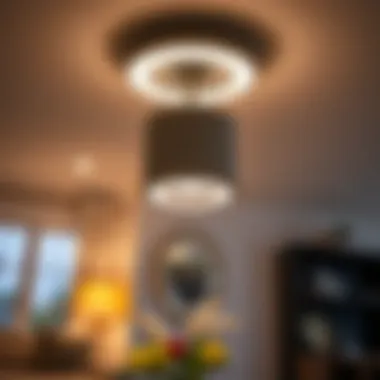
- Ambient LED Lights: Installing recessed LED fixtures in the ceiling can offer a consistent wash of light. They create a pleasant glow without harsh shadows, resulting in a well-lit environment that feels open and airy.
- Task LED Lighting: For areas where tasks occur, such as reading nooks or game tables, consider pendant LED lights or track lighting that can be directed precisely where needed. This creates a versatile space catering to various functions.
- Accent Lighting: Don’t neglect accent lights. A flush mount LED light can be paired with LED strip lights under cabinets or around shelves to consciously highlight architectural details or precious items.
By combining these elements through careful placement, you achieve a well-balanced ambiance that invites relaxation and social interaction.
Creating Focal Points in Design
Every room can benefit from a focal point, an aspect that commands attention and draws the eye. With LED ceiling lights, creating visual interest is not merely about aesthetics but about storytelling in your space.
Using LED fixtures to highlight certain elements helps articulate your vision for the room. For example, you might choose an eye-catching pendant LED light above a dining table, establishing it as the heart of family gatherings. Alternatively, installing adjustable LED spotlights to focus on a piece of artwork or an architectural feature can bring an elevated sense of style to the space.
"Focal points shouldn't just be decorative; they add charisma and purpose to a living room. Use lighting to highlight what you cherish most in your design."
When focusing on specific areas or items, think about:
- Size and Shape of the Light Fixture: Larger, low-hanging fixtures can naturally draw attention downward, while sleek, linear designs can elongate the silhouette of a room.
- Brightness Levels: Adjusting the brightness of different fixtures can create a sense of visual hierarchy. A well-lit artwork beside a dimmer playing field can guide the viewer's path through the space.
For more on lighting techniques, check out resources like Wikipedia and Britannica. Explore further at Reddit for community discussions on design choices.
Whether you're remodeling or simply looking to refresh your existing space, investing time in understanding how light works can lead to transformative changes in your living room.
Comparative Analysis of Cost
Understanding the costs involved in LED ceiling lights is an essential piece of the puzzle for any homeowner venturing into a lighting upgrade. It's not simply about the upfront price tag; looking beyond that shows the broader implications for your wallet down the line. The right lighting choice can save you money. Both in the short and long run, making this analysis all the more relevant.
Initial Purchase vs. Long-Term Savings
When considering any new lighting, such as LED ceiling lights, the initial purchase price often grabs the spotlight. Yes, LEDs may require a heftier investment upfront compared to traditional incandescent or fluorescent bulbs. But like an iceberg, much of the value is hidden beneath the surface.
To delve into specifics:
- Longevity: LED lights typically last 25,000 to 50,000 hours. In contrast, incandescent lights offer about 1,000 hours. By opting for LEDs, you're not just buying a light; you're investing in a long-term solution.
- Energy Efficiency: LED lights consume roughly 75% less energy than incandescent bulbs. Calculating energy usage can shock many homeowners. For example, if you replace a 60-watt incandescent bulb with a 10-watt LED, the savings add up fast.
- Replacement Costs: The need to replace burnt-out bulbs adds extra chips to the expense. Roughly every 7-10 months, you might find yourself repurchasing traditional bulbs. LEDs, meanwhile, can shine for years without flickering out.
So, although the sticker price of LED lighting may seem daunting, the long-term savings in energy bills and the need for replacements quickly swing the balance in favor of LEDs. It’s like finding a good pair of shoes; sometimes, investing more upfront pays off in comfort and durability.
Budget Considerations for Homeowners
When jumping into the world of LED ceiling lights, it's prudent for homeowners to have a firm grasp on their budget. Factors in this category stretch from the initial cost of fixtures to potential installation fees, and even the savings accrued over time.
- Fixture Selection: Choosing between a stylish pendant light and a simpler flush mount can significantly vary the starting price. Understand what fits your aesthetic without stretching your pocket too thin.
- Installation Costs: Some homeowners prefer a DIY approach to save a few bucks. However, if you're not confident, hiring a professional is worth the cost for safety and expertise. An incorrectly installed fixture may lead to hidden costs down the line.
- Utility Rebates: Don't overlook local utilities or government programs. Many areas offer incentives for choosing energy-efficient lighting. Researching these opportunities could lower your initial outlay and be highly beneficial.
Navigating the financial landscape of LED ceiling lights involves strategic thinking. While the initial costs can be a hurdle, the potential savings, aesthetic enhancement, and energy efficiency make LEDs a sound investment—one that pays dividends in comfort and ambiance over time.
"When you factor in savings from energy consumption and longevity of use, LEDs truly become a thrifty choice for homeowners."
For further exploration on lighting costs and energy efficiency, consider looking through resources like Energy.gov or Wikipedia.
Future Innovations in LED Lighting
Innovations in LED lighting are not merely intriguing tidbits; they’re shaping the future of our living environments, particularly in spaces where aesthetics and functionality are paramount—like the living room. Understanding these advances can guide homeowners and designers alike in making informed decisions about their lighting choices. As the demand for energy-efficient and stylish solutions continues to rise, innovations in LED technology position themselves as essential components in the modern home. In this section, we will delve into two main areas that are paving the way for a brighter, smarter future: advances in smart technologies and sustainability in manufacturing.
Advances in Smart Technologies
The emergence of smart technologies has remarkably transformed how we interact with lighting. Homeowners now seek ways to integrate their lighting systems with home automation, leading to a seamless blend of comfort and control. Smart LED ceiling lights come equipped with sensors and Wi-Fi connectivity, allowing users to adjust brightness levels, color temperatures, and even light schedules through their smartphones. This added convenience not only enhances the user experience but also aids in energy conservation.
Families with varying routines can optimize lighting settings as needed, perhaps brightening the space during family gatherings or dimming the lights for a cozy movie night. Furthermore, voice-activated systems—such as those linked to Amazon Alexa or Google Assistant—enable even greater ease of use, enhancing a user's control over their environment without the need to fiddle with switches and remotes.
"Smart LEDs not only brighten your space but also light up your life with convenience and comfort."
The rise of apps designed specifically for these lighting systems is another stride forward. They can offer features like mood lighting presets or even integration with other smart devices. For example, lights can be programmed to shift hues gently as the sun sets, providing a more natural transition from day to evening. As these technologies continue to advance, the experience of living rooms—and by extension, homes—becomes increasingly sophisticated and tailored to individual lifestyles.
Sustainability in Manufacturing
In the pursuit of greener living, sustainability in manufacturing is becoming a vital consideration in the LED lighting industry. New developments aim to not only enhance product longevity but also optimize the materials used in production. Homeowners today are more environmentally conscious, often seeking products that align with their values.
Innovations in materials science are leading to the creation of LEDs that are free from harmful substances like mercury. Moreover, manufacturers are focusing on designing products that are recyclable or made from recycled components, thus reducing waste and promoting circular economies.
A significant consideration is the energy consumption during the production process. Companies are adopting cleaner technologies, ensuring that the energy footprint left during manufacturing is minimal. For instance, the introduction of energy-efficient manufacturing processes reduces the overall carbon emissions associated with LED production. It’s a win-win situation: the consumer gets a high-quality product while contributing to environmental stewardship.
As awareness around sustainability shapes consumer choices, manufacturers must adapt. This shift ensures that, moving forward, the compatibility of style and environmental responsibility will only become more intertwined.
In summary, the landscape of LED ceiling lighting is evolving quickly, pulling together advancements in smart technology and sustainable practices. These innovations not only enhance the living spaces but contribute positively to the environment, presenting opportunities for homeowners and designers to invest in a future-oriented approach to lighting.