Enhancing Interiors with Small End Table Covers


Intro
Small end table covers might seem like an afterthought in the grand design of home decor, but their impact is anything but trivial. While these items serve a practical purpose — protecting surfaces from scratches and spills — they also play a pivotal role in elevating the aesthetic appeal of living spaces. Imagine a living room without a stylish cover on the side table; it might feel empty and unwelcoming. In the pages that follow, we will peel back the layers on this often-overlooked aspect of interior design.
We will explore current furniture trends, dive into popular styles and materials, and navigate color palettes that complement modern homes. As we turn the page, practical design tips will be shared, including space optimization techniques and even a few DIY charming projects. This exploration is tailored for homeowners, designers, architects, retailers, and DIY enthusiasts eager to glean insights into making their living spaces not only functional but also strikingly stylish.
Understanding how small end table covers fit into the broader narrative of home decor allows for a more nuanced appreciation of their value. Let’s embark on this journey and uncover all the possibilities that lie ahead.
Understanding Small End Table Covers
Small end table covers serve as an essential yet often overlooked element of home decor. These covers do more than just protect the tabletops; they enhance the aesthetics of the space while contributing to overall functionality. Understanding their significance involves delving into aspects such as style, material choices, and their historical evolution. This overview lays the groundwork for exploring how various elements come into play when selecting the right cover and how they can elevate living spaces.
Definition and Purpose
Small end table covers are decorative accessories specifically designed to drape over or protect small side tables. These covers can range from elegant fabric pieces to more utilitarian options crafted from materials like leather or synthetic fibers. Their primary purpose is twofold: to protect the table surface from scratches, spills, and wear, and to serve as a style enhancer that aligns with or contrasts the room's overall design scheme. In essence, they act as a bridge between function and form, allowing homeowners and decorators alike to showcase creativity while ensuring practicality.
The exact definition may vary based on cultural influences or design specifications; however, their core purpose remains universal. Households can employ small end table covers to inject a hint of personality or cohesiveness, whether it’s through bold patterns, rich textures, or understated elegance.
Historical Context
The evolution of small end table covers can be traced back to the rise of home decor as a sign of personal expression. Historically, the concept of covering furniture dates back centuries. Initially, utilitarian in nature, these covers were primarily made of coarse fabrics and were intended to prolong the lifespan of cherished furnishings before evolving into a fashion statement.
In many ways, these coverings reflect the broader trends in interior design and home furnishing practices unique to different eras. For instance, during the Victorian age, lavish decorations and intricate patterns dominated, leading to the use of ornate fabrics for table covers. Fast forward to the modern era, and we see a shift towards minimalist and sustainable materials, aligning with contemporary values that emphasize functionality and simplicity.
Understanding this historical context enriches our appreciation for small end table covers. They aren’t just mere accessories but pieces that narrate the evolving story of home decor trends across generations. So, whether you're a homeowner looking to add charm to your space or a designer seeking to create cohesive environments, grasping the significance and background of these covers is fundamental.
Importance in Modern Decor
In today's fast-paced world, the role of small end table covers has evolved into something far greater than mere décor. As homeowners look to create environments that resonate with both style and purpose, these coverings have become integral components in modern interior design. The importance of small end table covers cannot be understated; they serve not just a practical function but also contribute drastically to the aesthetic narrative of a space.
The journey of design isn't just about filling a room with furniture; it's about weaving a tale that reflects personality, ambition, and harmony. Small end table covers add texture, color, and depth to a room, engaging the eye and reinforcing a thematic coherence across the entire space. From minimalist to bohemian, these covers can enhance the ambience, pulling together various elements of a room into a cohesive whole.
Consider how texture plays into this. A well-chosen end table cover can break the monotony, offering a tactile experience that invites touch and interaction. Conversely, using the wrong cover can clash with existing elements, leading to a chaotic visual landscape that feels more haphazard than harmonious.
"Small details can make a big difference in design. Sometimes, it just takes a simple cover to transform the ordinary into the extraordinary."
Enhancing Aesthetic Appeal
Aesthetic appeal goes beyond color and pattern; it lies in how a space makes you feel. Small end table covers can evoke various moods—from cozy warmth to sleek sophistication—thereby enriching the overall atmosphere of a room. Whether it's a patterned fabric brightening up a neutral palette or a muted earthy tone that compliments natural materials, the right cover can breathe life into an otherwise overlooked corner.
Additionally, opting for prints or textures that resonate with your chosen style can create focal points that capture attention and initiate conversation. For instance, a vibrant print on a cotton cover might call attention away from clutter, while a smooth leather finish can inject a dose of luxury into a living area.
When selecting your end table cover, consider:
- The color palette of your room
- Textures already in place—are they soft or hard?
- The overall style you are aiming for
Functionality Beyond Aesthetics
While aesthetic appeal is crucial, functionality is the bedrock that sets a good design apart from a great one. Small end table covers are not just beautiful; they serve practical purposes that support everyday life. They can offer protection against spills, scratches, and wear, extending the lifespan of furniture underneath. A cover can act as a barrier, especially in homes with children or pets, where wear and tear occur at an accelerated pace.
Moreover, many contemporary designs feature easy-to-clean materials, which simplify maintenance and allow for a more relaxed living environment. A family or gatherings become far less stressful when you know those accidental spills won't ruin your surfaces; a simple wipe can resolve the mess.
To summarize the functional benefits of these covers:
- Provide protection for surfaces
- Enhance ease of cleaning and maintenance
- Offer additional texture or design without permanent changes
Materials Used in End Table Covers
Choosing the right materials for small end table covers is crucial in both aesthetics and functionality. The materials not only define the look of the piece but also influence its durability and maintenance needs. Homeowners, designers, and DIY enthusiasts should consider how each material aligns with personal style and the overall decor of the room. Understanding the diverse materials available helps in selecting covers that enhance the beauty and longevity of end tables.
Fabric Choices
Fabric choices for end table covers can significantly impact their visual appeal and practicality. The right fabric not just adds to the design but also affects how easy it is to maintain, what kind of ambiance it creates, and how well it fits into your home.
Cotton
Cotton is a widely favored option due to its breathable nature and versatility. This fabric can enhance a layered look, making it an ideal candidate for informal settings or casual decor. One standout characteristic is comfort; cotton is soft to the touch and offers a welcoming vibe. It's a beneficial choice for homes with children or pets, as it's generally machine washable and comes in a variety of patterns and colors.
However, cotton does have some downsides. It can wrinkle easily, which may require ironing for those who favor a crisp appearance. Additionally, its absorbent quality means that it can absorb stains, making prompt cleaning essential.
Linen
Linen exudes a natural elegance that many adore. This fabric is known for its textural richness and its ability to lend a sophisticated air to a room. Unique to linen is its durability—while it may seem delicate, it actually becomes softer and develops a lovely patina with age. Many folks opt for linen in formal settings or for a beachy, relaxed vibe.
On the flip side, linen also creases easily, and regular maintenance is required to keep it looking its best. It's not the best choice for high-traffic areas unless one appreciates the relaxed, lived-in look.
Synthetic Fibers
Synthetic fibers, such as polyester, are often sought after for their resilience and low-maintenance qualities. The key characteristic here is resistance—these materials often withstand wear and tear better than natural fibers. They can also mimic the look of natural fabrics while offering added durability, which makes them a popular choice for households that prioritize functionality.
Yet, a particular drawback of synthetic materials is that they may lack the warmth and character associated with natural fabrics. They may feel a bit less inviting than cotton or linen, making it essential to consider the intended ambiance of the space.
Wood and Composite Materials

Wood and composite materials provide character and solidity to end table covers. Given their varied finishes and styles, these materials can suit both rustic and modern environments while offering unique strengths and weaknesses.
Natural Wood Finishes
Natural wood finishes are highly cherished for their authenticity and craftsmanship. A notable feature is their classic appeal, which blends seamlessly into almost any decor theme. Many people are drawn to natural wood for its longevity and the uniqueness of each piece—no two pieces are precisely alike. This individuality can add a layer of warmth and style to your living space.
However, it’s important to consider maintenance; natural wood may require periodic staining or sealing to preserve its beauty. Additionally, it can be prone to scratches and dents, demanding a bit of care.
Painted Surfaces
Painted surfaces bring a pop of color and creativity into the mix. The hallmark of painted finishes is their versatility; they can be customized to match any color scheme or personal taste. Painted covers can enliven a dreary corner or enhance existing decor by complimenting other elements in the space.
On the downside, painted surfaces need to be cared for—chipping and fading can occur if not maintained properly. Attention to detail in cleaning and maintenance is critical for ensuring they uphold their lively appearance over time.
Leather and Faux Leather
The allure of leather and faux leather lies in their luxurious appearance and modern feel. Leather, with its timeless appeal, can elevate any decor style while providing durability that many find worthwhile. Faux leather is loved for its cost-effectiveness and ease of maintenance, making it an attractive option for budget-conscious homeowners.
However, leather requires careful upkeep to fend off cracks and dryness, while faux leather might lack the authentic feel for some. It’s a balance of preference and practicality that needs to be considered.
Metal and Glass Influences
Metal and glass elements can accentuate the design of end table covers by introducing sleek lines and a contemporary flair. Their reflective properties can also enhance light in a room, contributing to the overall ambiance.
Glass surfaces are often sought after for their ability to create an illusion of space, especially in smaller rooms. On the other hand, metal offers a modern and industrial touch but may come with concerns about weight and stability in certain designs.
In summary, when selecting materials for small end table covers, it’s essential to weigh the characteristics, benefits, and possible downsides of each option. It’s an opportunity to express personal style while ensuring functionality in everyday use.
Design Styles of Small End Table Covers
When it comes to small end table covers, choosing the right design style is crucial. It's not just about aesthetics; the chosen design can significantly influence the overall feel of a room and how well the table integrates into the existing decor. Styles range from timeless classics to the cutting-edge minimalism seen in contemporary homes. Understanding these styles helps homeowners and designers alike to make informed choices that enhance both beauty and function. Let's delve deeper into various design styles that can transform these small yet impactful elements of home decor.
Classic and Traditional
Classic and traditional designs evoke feelings of warmth and nostalgia. They often feature intricate patterns and rich colors that embody elegance. Fabrics like brocade and damask are common in this style, lending an air of sophistication. This type of cover typically complements antique or vintage furniture, making it a go-to choice for many homeowners who appreciate heritage aesthetics.
- Key Characteristics:
- Detailed patterns and rich textiles
- Earthy and jewel-toned palettes
- Often incorporates ornate tassels or fringes
An effective classic end table cover can draw the eye and serve as a focal point in traditional spaces, establishing a sense of harmony throughout the room. Whether it's a velvet fabric adorned with floral motifs or a simple cotton cover with classic stripes, the right choice can add layers of depth and history.
Modern and Minimalist
On the other end of the spectrum lies the modern and minimalist style, which is all about simplicity and clean lines. These designs often use solid colors, sleek shapes, and subtle textures that reflect a more contemporary approach to living spaces.
- Key Characteristics:
- Solid colors or simple patterns
- Focus on functionality without extra ornamentation
- Materials like linen or cotton blends that are easy to maintain
A minimalist cover can serve the dual purpose of protecting the table while simultaneously enhancing its modern vibe. For instance, a sharp white cover can create a striking contrast against a dark wood end table, making both elements stand out without overwhelming the space. This style suits individuals who prefer a clutter-free, modern aesthetic.
Eclectic and Bohemian
Eclectic and bohemian designs are all about personality and self-expression. These covers often feature a mix of vibrant colors, patterns, and textures that evoke a sense of wanderlust.
- Key Characteristics:
- Combination of various fabrics, like macramé and cotton
- Bold, mismatched patterns and layers
- Accessories like beads and tassels to add additional flair
In an eclectic space, a vibrant table cover adds an artistic touch, encouraging creativity. These covers can transform any end table into a work of art, making them suitable for spaces that embrace individuality and free-spirited design.
Industrial and Rustic
Lastly, industrial and rustic styles bring an earthy and raw aesthetic to the forefront. These designs typically utilize natural materials such as burlap, reclaimed wood, or canvas.
- Key Characteristics:
- Raw finishes or distressed looks
- Neutral and earthy color palettes
- Minimal yet sturdy fabric selections
Choosing a cover in this style can add a layer of comfort to colder industrial elements like metal and glass. For instance, a burlap cover on a stark metal table softens the entire look, making it inviting and warm. This approach resonates well in homes that celebrate sustainability and the beauty of imperfection.
"The beauty of small end table covers lies in their ability to weave together the diverse threads of design styles that reflect personal tastes and enhancements for a living space."
Each of these styles provides unique benefits and considerations, hence understanding their nuances can aid in choosing the perfect small end table cover that fits seamlessly into any home decor scheme.
Selecting the Right Cover for Your Home
When considering small end table covers, getting the right one for your home is essential not just for aesthetics but also for ensuring functionality. Each end table is a piece of furniture that can significantly contribute to your living space's overall vibe. The right cover transforms a standard end table into a stylish accent that harmonizes with its surroundings.
Considering Room Aesthetics
Focusing on room aesthetics is the first step. The design of the cover should complement the style of the room. A Victorian-style cover won't quite fit well in a minimalist space. Think of colors, patterns, and textures that would enhance your decor rather than clash with it. For instance, a floral patterned cover may be superb in a shabby chic living room, whereas a sleek, solid-colored fabric might be your choice for a modern setup.
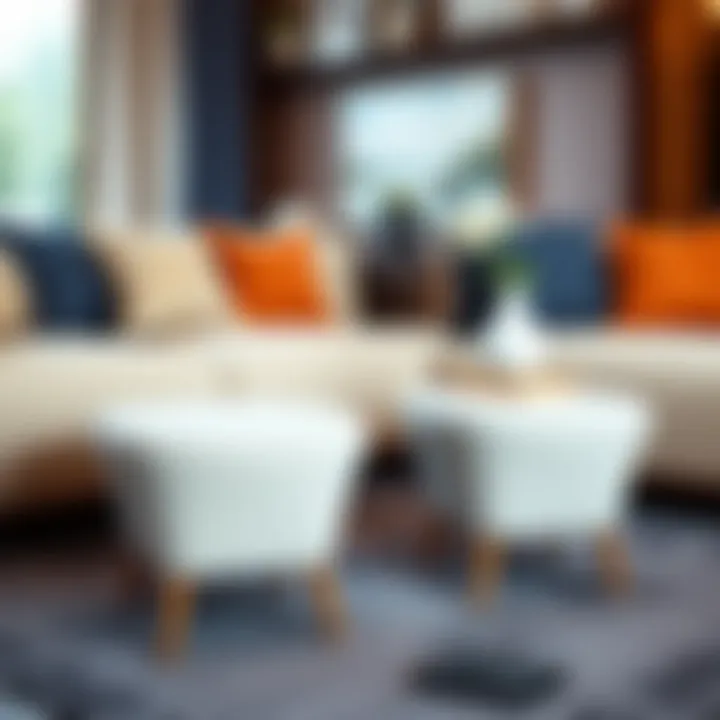
Adding a splash of color can enliven a room; however, it’s also important not to go overboard. Neutral colors provide versatility, allowing you to switch things up without undertaking a costly redecoration of the entire space. Remember that the table covers are like the cherries on top of a sundae—beautiful, but they should enhance the base.
Assessing Durability Needs
Durability is another crucial element. Different materials promise varied lifespans. If you have pets or children, a cotton or synthetic fiber option might stand the test of time better than delicate linens. A fabric that can withstand spills, stains, and wear and tear will save you money in the long run, sparing you from frequent replacements.
Additionally, think about your lifestyle. If you regularly entertain guests, a more durable option ensures that your covers maintain their beauty under the rigors of everyday life. Choosing fabrics that are easy to clean, such as those labeled as stain-resistant, can also be a lifesaver, making it simpler to keep your decor looking pristine.
Budget Considerations
When selecting table covers, your budget can't be overlooked. It’s wise to set a spending limit early in the process. High-quality covers made from luxurious materials may come with steep price tags, but there are also plenty of affordable options that don’t cut corners on style. For example, you might find a beautiful cotton or linen blend that offers durability without breaking the bank.
Take the time to shop around. Several retailers provide distinct designs and price ranges. What's more, online shopping platforms like Etsy or Amazon can lead you to unique finds that may not be available in conventional stores. Also, consider looking at local fabric shops where remnants can still offer beautiful designs at a fraction of the cost.
"Selecting the right cover is like choosing the perfect frame for your artwork—it enhances and elevates what's already there."
Ultimately, when picking a cover for your end table, blend your aesthetic preferences with practical considerations of durability and budget. This thoughtful approach will guide you to selections that both enrich your home’s ambience and provide lasting value.
Care and Maintenance of Small End Table Covers
Taking care of small end table covers is paramount in ensuring they maintain their aesthetic appeal and functionality over time. These covers often face daily wear and tear from spills, dust, and even pets. Regular maintenance not only extends their life but also helps in preserving the style and elegance they bring to a room.
When discussing the care of these items, it includes both cleaning methods suited to the material and effective storage solutions. Understanding the attributes and treatment methods for various materials ensures that owners can make informed decisions about maintenance, enhancing the longevity and beauty of their decor.
Cleaning Techniques by Material
Washing Fabrics
Washing fabrics is a crucial aspect of caring for textile end table covers. Many fabric covers, like cotton or linen, can be machine-washed, making them a convenient choice. Their easy-to-clean nature is particularly beneficial, as a quick wash can revive faded colors and remove stains. However, one must pay attention to the washing instructions on the label, as some fabrics may shrink or fade if not treated properly.
*Benefits of washing fabrics include:
- Convenience: Easy to clean, often machine-washable.
- Reusability: Regular washing allows covers to be used frequently without deterioration.
- Freshness: A washed cover smells clean and feels fresh, contributing to a pleasant atmosphere.*
On the flip side, the unique feature of fabric covers is their susceptibility to fading in repeated washes. Care must be taken with water temperature and detergents to maintain their vibrancy over time.
Polishing Wood
Polishing wood end table covers is essential in maintaining their luster and protecting against damage. Wood has a natural beauty that needs to be showcased, and polishing helps achieve that shine. Using the right polish not only provides a beautiful finish but also offers protection from scratches and moisture.
*Some key characteristics of polishing wood include:
- Protective Barrier: A good polish can create a layer that guards against water and stains.
- Aesthetic Value: Polishing enhances the wood’s grain and color, making it visually appealing.
- Smooth Surface: It provides a tactile quality that can elevate the experience of using the table.*
In terms of drawbacks, over-polishing can lead to a greasy finish or buildup, which can attract more dust and make maintenance harder rather than easier.
Handling Leather
When dealing with leather covers, it's vital to handle them with care to avoid any unintentional damage. Leather is durable but can suffer from dryness or cracking if not maintained properly. Regular conditioning with a suitable leather conditioner helps to keep the material supple and looking its best.
*When considering leather, some aspects include:
- Durability: High-quality leather end covers can last for years with minimal upkeep.
- Luxury Factor: There's an inherent elegance in leather that elevates the overall look of any decor.
- Easy Care: Generally resistant to spills, leather can often be cleaned with just a damp cloth.*
Nevertheless, one must be aware that leather can be sensitive to sunlight, which might cause fading, and spills should be tended to immediately to prevent staining.
Storage Solutions
Storing small end table covers properly extends their life and keeps them in good condition. Using appropriate storage techniques can make a world of difference when it comes to avoiding unnecessary wear. Here are some effective storage strategies:
- Folded Storage: For fabric covers, folding them neatly and placing them in a cool, dry spot protects them from folding creases and moisture damage.
- Hanging Solutions: For leather or heavier materials, consider investing in hanging storage options where they can be stored without pressure on them, minimizing creases or cracks.
- Climate Control: Keeping covers in a controlled environment avoids exposure to extreme temperatures which could affect their material.
Innovative Use Cases for Table Covers
The integration of small end table covers into home decor goes beyond mere fashion statements. They offer unique solutions that enhance the usability and aesthetic appeal of a space. Here, we explore innovative use cases that showcase the versatility of these covers, demonstrating how creativity can breathe new life into furniture and elevate interiors.
Layering with Other Textiles
Layering table covers with other textiles is a fantastic way to create depth and personality in your decor. Imagine a soft, taupe linen cover atop a sleek walnut end table. This not only adds a layer of texture but also brings warmth to the overall design.
- Textures Galore: Whether it's cotton, velvet, or even burlap, combining different textures can create visual interest. Pairing a smooth satin cover with a chunky knit throw can delight the eye and entice the touch.
- Color Coordination: Colors are vital in design. By utilizing layered textiles, one can effortlessly introduce a color palette. A vibrant patterned throw can draw attention, while subtle hues keep the focus on the table's design.
- Seasonal Adjustments: Have fun with changes as seasons shift. For instance, during winter, one might layer heavier fabrics for coziness, while light linens for summer can create a breezy atmosphere.
This practice also allows for practical elements. For instance, a decorative runner can protect the underlying fabric while enhancing the table's style. It’s essentially function meeting form, offering added benefits, like easier clean-up and damage prevention.
Temporary Displays for Events
Small end table covers shine in temporary displays during events. Imagine hosting a themed dinner party or a casual get-together where every element counts. The right cover can make an everyday table stand out.
- Event Themes: Small table covers can effortlessly align with event themes. A bohemian-style cover can set the mood for a festival-themed gathering, while crisp white linen suits a formal event.
- Highlighting Centerpieces: A carefully chosen cover can accentuate centerpieces. For instance, use a dark cover underneath bright floral arrangements to make flowers pop, immediately drawing the eye.
- Ease of Setup: Utility is often overlooked—temporary table covers make set-up and tear-down a breeze. They can be easily swapped, allowing hosts to switch themes without a hitch.
"A well-selected end table cover isn't just an aesthetic choice; it can transform an ordinary event into a memorable occasion."
Sourcing Small End Table Covers
When it comes to enhancing your interior space, sourcing the right small end table covers can be a game-changer. Selecting the appropriate cover not only serves decorative purposes but also adds functionality to these often-overlooked furniture pieces. By examining the sourcing aspect, homeowners and designers can make informed decisions that not only elevate the aesthetic appeal of their homes but also cater to practical needs, like durability and care.
Retail vs. Online Shopping
In the quest for perfect end table covers, one crucial decision to make is whether to shop in retail stores or online. Both avenues have their merits, and understanding them can lead to a more satisfying purchasing experience.
Retail Shopping:
Walking through a store allows you to physically inspect the quality of the fabric, feel its texture, and see how it complements your existing decor. The tactile experience can't be understated. For instance, seeing a cotton cover on the shelf may not do it justice; you might find it surprisingly softer than you imagined or notice a slight flaw that wouldn’t gleam as well in images. Local shops might also provide instant gratification—taking your cover home immediately. Plus, you can consult with sales staff which can genuinely provide useful insights about their products.
Online Shopping:
Contrarily, shopping online opens a treasure trove of options that brick-and-mortar stores may simply not have. Websites typically offer a broader variety of materials, colors, and patterns that specifically cater to current trends. The allure of customer reviews can also help in making a well-informed choice, as you can learn from the experiences of previous buyers. However, it is essential to do your homework. Always check return policies before pressing that “buy” button—what fits perfectly in a photograph might not look the same once unwrapped.
Customization Options
In today's world, personalization is key. Why settle for standard designs when customization allows you to make your end table cover truly yours?
Made-to-Order: Many manufacturers now offer the option of custom-made covers. This means, you can select your fabric, pattern, and even size that fits your end table perfectly, leaving little room for error. Customization can be particularly advantageous if you have furniture with unusual dimensions or if you're trying to achieve a specific look that pre-made options simply can't fulfill.
Unique Prints and Styles: Furthermore, you can often choose from an array of prints and styles to reflect your tastes. Whether you want a bohemian design, or something more classic, the ability to pick and choose ensures that your end table isn't just another piece of furniture—it becomes an extension of your personality.
"Customization transforms everyday items into artworks, enhancing both their emotional and aesthetic significance."
Closure
Trends in Small End Table Covers
As with any facet of interior design, small end table covers are not immune to the shifting tides of fashion and style. Staying abreast of current trends in small end table covers is vital for homeowners, designers, and retailers alike. These trends influence choices regarding materials, colors, and patterns, giving people the tools to create a cohesive look in their spaces. If your intention is not only to enhance aesthetics but also to keep your home’s interior captivating, understanding these trends becomes paramount.
Current Fashion Trends
In recent years, we have observed a surge in minimalistic and sustainable designs that resonate with today’s eco-conscious consumers. The materials favored now often include organic cotton, recycled textiles, and even biodegradable synthetics. These fabrics not only contribute to a cleaner environment but also bring a touch of sophistication to any decor.
- Color Palette: Neutral tones are ruling the roost, with whites, grays, and beige paving the way for warmer colors like soft pastels. Bold colors also make a comeback for those looking to add a dash of excitement. Think mustard yellows or deep blues adding character.
- Patterns: Geometric shapes and abstract motifs are top choices, often illustrating the personality of both the owner and the space. Vintage-inspired florals spark nostalgia while remaining trendy.
- Layered Textures: Mixing various textures is particularly in vogue. A knitted throw coupled with a sleek cotton cover can deliver depth and make a simple small end table look remarkably interesting.
The modern consumer doesn’t shy away from statements. Thus, accent pieces, bold embroideries, and even luxurious materials like velvet are all making their appearance, providing an opportunity for individual expression. Homeowners are encouraged to think outside the box, to venture beyond traditional aesthetics, and to explore what resonates most with their style.
Predictions for Future Styles
Looking ahead, the future of small end table covers appears to lean further into personalization and customization. As technology continues to evolve, people expect options that speak to their personal taste and lifestyle.
Some key predictions include:
- Smart Fabrics: Technology is making its way into home decor. We may soon see fabrics that respond to environmental changes—temperature-regulating materials or even self-cleaning options that reduce maintenance woes.
- Personalization: With digital printing becoming more accessible, homeowners are likely to seek covers that feature customized designs or personal imagery, adding a unique flair to their living space.
- Sustainable Innovations: The materials landscape is shifting towards even more sustainable options, such as plant-dyed fabrics and biodegradable fibers becoming mainstream.
- Blurring Boundaries: Functionality will further drive design, with styles merging between practical and artistic. Covers may soon incorporate additional features, like built-in pockets for storing small items or compartments for hidden storage.
In essence, the trends in small end table covers reflect a growing desire for meaning in the items we surround ourselves with. They blend practicality with artistry, history with innovation, and personal style with broader cultural movements.
"Design is not just what it looks like and feels like. Design is how it works." – Steve Jobs
By factoring in these current trends and future possibilities, anyone can approach decorating their end table with newfound confidence and creativity.
Common Mistakes to Avoid
When it comes to selecting and utilizing small end table covers, it is all too easy to slip into certain pitfalls that can detract from their intended functional and aesthetic contributions. Understanding these common mistakes is pivotal for homeowners, designers, and DIY enthusiasts alike. By navigating these potential traps, one can truly enhance the overall style and utility of their living spaces.
Incompatibility with Room Design
A significant misstep in choosing small end table covers is failing to consider their compatibility with the existing room design. Imagine a sleek, modern space where a tacky cover emblazoned with garish patterns sits atop a minimalist glass end table. The visual discord can feel akin to a sour note amidst a beautiful symphony.
- Color Coordination: One should assess how the colors of the table cover interact with the broader palette of the room. Opting for shades that harmonize with the walls, furniture, and decor will create a seamless flow.
- Matching Styles: It’s essential to align the styles—whether farmhouse, contemporary, or vintage. Placing a bohemian patterned cover in a modern setting may come off as jarring rather than eclectic.
Furthermore, consider the scale and proportion. A large, billowy cover is likely to overpower a small, delicately designed table. On the flip side, a tiny cover on a bulky table might get easily overshadowed, resulting in an unbalanced look.
Ultimately, ensuring that the table cover complements the overall design can save one from creating a space reminiscent of a chaotic garage sale, rather than a curated living area.
Overlooking Maintenance Needs
Another cardinal sin one might commit is neglecting the maintenance requirements of their chosen table cover. Each material comes with its own set of demands, which can affect not only the longevity of the cover but also the cleanliness and freshness of the living space.
- Cleaning Requirements: For instance, fabric covers may require frequent washing to keep them looking crisp and new. A cotton cover can be machine washed, while a delicate linen might need hand washing or dry cleaning. Failing to consider this can lead you to inadvertently trap dust and allergens, creating an unhealthy atmosphere.
- Durability Considerations: Some materials, like leather or faux leather, can be more forgiving and require simple wipes to clean. However, if one goes for a less durable option expecting low upkeep, they might find themselves disappointed when the cover starts to look tired and worn.
Moreover, understanding how a cover interacts with the surrounding environment is equally crucial. For example, a cover on an end table positioned near an active outdoor space may require quick attention due to dirt and moisture exposure!
"A little attention to maintenance can go a long way in preserving the beauty of your home decor."
To wrap it up, steering clear of these common mistakes when choosing small end table covers can elevate the elegance of your space. With thoughtful selection and foresight regarding maintenance, these seemingly small pieces can indeed play a significant role in achieving a harmonious home design.
Closure and Future Considerations
In today's fast-paced world, the role of small end table covers extends beyond mere decoration; they serve as a vital component in crafting inviting and functional spaces. Not only do they protect the furniture from dust and spills, but they also enhance the overall aesthetic of a room. A well-chosen cover can transform a simple piece into a showstopper, blending seamlessly with the existing decor or standing out as a statement piece.
The Role of Small End Table Covers
Small end table covers play a significant role in both style and utility. Imagine hosting a chic gathering; the right table cover can be the cherry on top, pulling together the room's colors and textures. While functionality is key, the aesthetic appeal cannot be overlooked. For homeowners and designers, these covers offer a practical solution to maintaining a polished look, allowing for easy updates without a complete remodel. Moreover, they can serve as protective layers, safeguarding against everyday wear and tear. This is especially crucial in households with pets or children, where the risk of spills and scratches is high. Investing in durable yet stylish covers not only preserves the integrity of the tables but also aligns with sustainable practices by reducing the need for frequent replacements.
Encouraging Design Exploration
Exploring the potential of small end table covers encourages creative freedom in design. Homeowners often underestimate the impact of texture, pattern, and color when they consider their furnishing. With small table covers, one can experiment with layers, combining various fabrics and styles. This exploration extends to seasonal changes, where covers can offer a refreshed look to a room. For instance, switching from soft linen to a richly textured velvet in the cooler months can create a warm, inviting atmosphere.
Furthermore, the idea of customization is growing in popularity. Online retailers offer personalized options—this means one can opt for specific dimensions, colors, and even unique patterns that reflect individual taste. By doing so, homeowners can elevate the design to new heights, ensuring that every piece feels intentionally curated.
Instead of seeing small end table covers as simple accessories, view them as opportunities for self-expression in your living space.
Feel free to explore more about home decor at resources like Wikipedia and Britannica.